Explore Hoi An’s Best Tailors
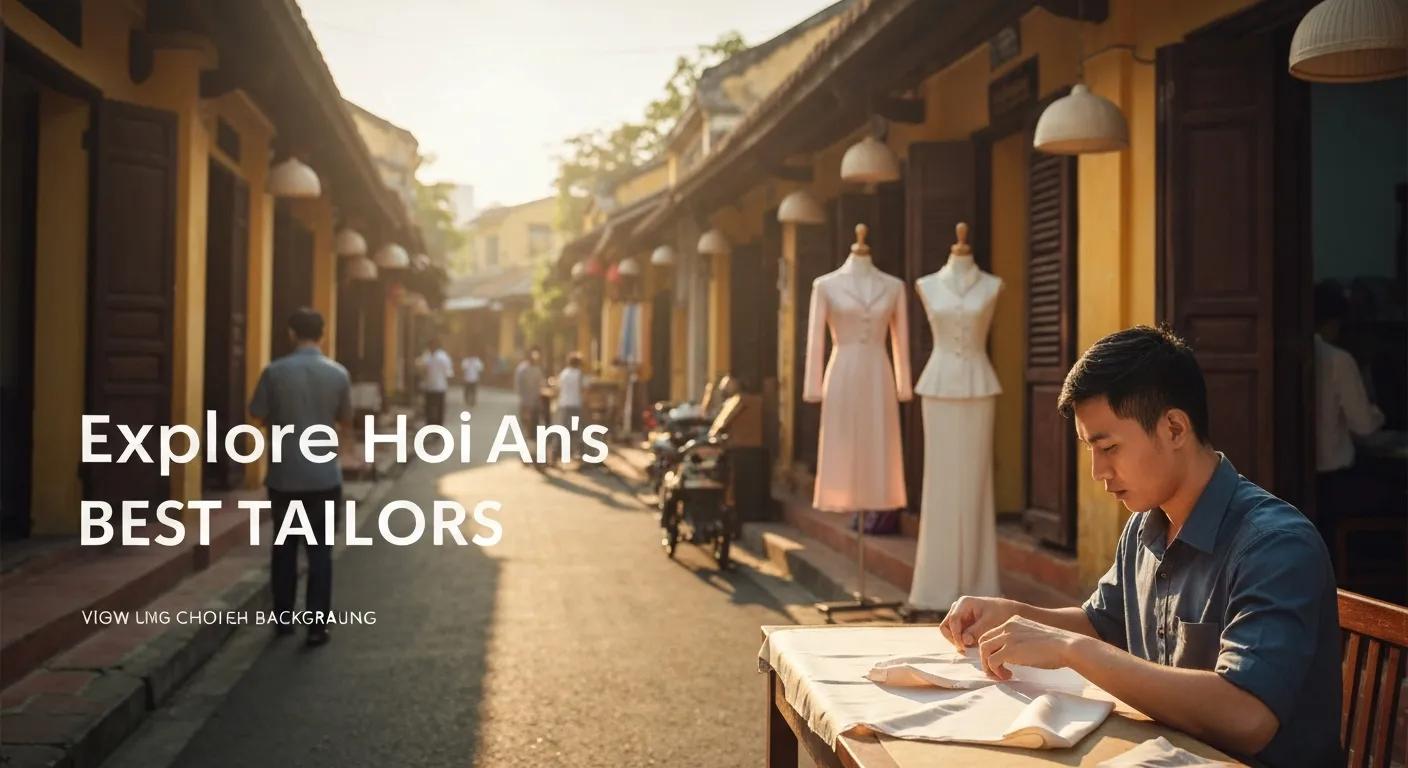
Hoi An is widely regarded as one of the world’s most accessible bespoke tailoring hubs, combining skilled craftsmanship with a tourist-friendly service culture that makes custom clothing easy to order and receive. This guide explains what the Hoi An tailor shops experience involves, why visitors choose bespoke here, and how to navigate choices like fabrics, fittings, and turnaround times to get garments that fit and perform. Many travellers come to Hoi An seeking value—high-quality, custom-fitted clothes at competitive prices—while also expecting fast service and clear communication; this article shows how to achieve those outcomes. You will learn why Hoi An’s tailoring ecosystem works, typical price ranges and cost drivers, the step-by-step bespoke process, recommended garment types and fabrics, how to interpret reviews and ethical signals, and practical planning tips for a tailoring trip. Throughout we include practical comparisons, EAV-style tables, and checklists so you can plan fittings, evaluate quality, and, if you wish, consider a reputable local example that demonstrates Fairtrade and in-house production strengths.
Why Choose Hoi An for Custom Tailoring?
Hoi An’s appeal for custom tailoring rests on a convergence of skilled artisans, abundant fabric sourcing, and a tourism-oriented service model that prioritises fit and speed. The mechanism here is local specialisation: tailors work daily on a high volume of bespoke orders, which builds efficiency in measurements, pattern adaptation, and finishing—delivering consistent fitting results for diverse body types. The specific benefit to visitors is clear: you can obtain high-quality, personalised garments quickly, often at a better price-to-quality ratio than in many home markets. Understanding these advantages helps set expectations about turnaround times, the importance of fabric choice, and the trade-offs between express services and premium construction. Below we explore what specifically sets Hoi An tailor shops apart and how a shop that emphasises Fairtrade and in-house production fits into that landscape.
What Makes Hoi An Tailor Shops Unique?
Hoi An tailor shops combine traditional sewing techniques with modern pattern-making tools to create garments that balance fit, comfort, and local fabric variety. Local tailors often maintain streamlined workflows—fabric selection, measurement, pattern making, fittings, and finishing—so tourists benefit from predictable timelines and clear steps. The result is efficient bespoke tailoring with options ranging from lightweight travel garments to structured suits and bridal wear, and many shops offer express services for tight itineraries. These attributes mean visitors should prioritise fabric drape and construction details during consultation because those choices determine both appearance and cost. Understanding these shop-level workflows prepares you to ask the right questions at the first consultation and to decide between speed and more refined handwork.
Hoi An Tailoring: Staged Authenticity and Product Offerings In Hoi An, tailoring activities and products arguably exemplify such staged authenticity, where the production processes and the products themselves are curated for tourists. Many establishments feature large showrooms displaying pre-manufactured samples of garments, such as traditional Ao Dai, silk dresses, and suits, alongside an extensive selection of fabrics. Retailing in places of World Heritage, transition and ‘planned authenticity’, L Thomsen, 2018
How Does Be Li Tailor Stand Out Among Hoi An Tailors?
Be Li Tailor represents a case example of the strengths that matter in Hoi An: a focus on Fairtrade sourcing, full in-house production, and personalised style advice that helps clients choose fabrics and cuts suited to their body and occasion. This approach reduces outsourcing risks and enables multiple internal quality-control checkpoints—from pattern approval to finishing—which supports consistent fit for wedding parties, professionals, and international clients. For tourists seeking trust signals, Be Li’s emphasis on handcrafted workmanship and premium materials illustrates how in-house workflows can improve accountability and turnaround transparency. Readers who want to compare a Fairtrade, vertically integrated tailors’ model with more typical express shops will find this example useful when selecting a provider in Hoi An.
What Are the Typical Prices for Bespoke Tailoring in Hoi An?
Hoi An’s price landscape for bespoke garments varies by garment type, fabric origin, and construction complexity; broadly, prices reflect fabric cost, labour intensity, and turnaround requirements. The mechanism driving price differences is clear: premium imported fabrics and hand-stitched canvas structures increase labour time and material cost, while simpler linings and machine assembly lower the price. The practical benefit of transparency is that you can prioritise where to spend—invest in a well-constructed suit or premium bridal fabric, or choose simpler options for travel garments. Below is a comparative table to help you visualise typical price drivers across common garment types so you can make informed trade-offs during consultations.
The following table compares garment categories, the attributes that move price, and typical price ranges visitors can expect in Hoi An tailoring markets.
| Garment Type | Attribute (Fabric / Complexity / Turnaround) | Typical Price Range (USD) |
|---|---|---|
| Custom Suit | Mid-weight wool to premium imported wool; half or full canvas; 2–3 fittings; standard turnaround | $80–$250 |
| Custom Dress / Gown | Silk, satin or lace; custom patterns and embellishments; multiple fittings; bridal finishing | $60–$300 |
| Tailored Shirt | Cotton poplin to premium shirting; custom collar and cuff details; single fitting | $15–$45 |
This table highlights how fabric and construction drive costs: suits and bridal gowns have the widest ranges because of canvas work, linings, and ornamentation. Next, we look at how a shop like Be Li Tailor positions its pricing relative to these drivers.
How Much Does a Custom Suit Cost at Be Li Tailor?
A custom suit’s final cost depends on fabric choice, internal construction, and bespoke details; at a shop prioritising Fairtrade materials and in-house production, pricing reflects higher-quality inputs and more rigorous quality control. Be Li Tailor positions itself as a premier bespoke provider, emphasising meticulous fittings, personalized style advice, and the use of premium materials which together influence cost. Visitors should expect to discuss canvas type (machine-fused, half or full canvas), lining choices, and hand finishing during the first consultation because these specifications materially alter price. By focusing on durable construction and responsible sourcing, a shop like Be Li aims to deliver long-term value that can justify a higher upfront price compared with express, lower-cost alternatives.
What Factors Influence Hoi An Tailor Prices?
Understanding the main price drivers helps you control spend and prioritise features that matter for performance and longevity. The mechanism is simple: material quality, design complexity, and labour intensity directly translate into higher prices, while express timelines and fewer fittings usually add surcharges. Knowing these factors lets you negotiate specifications that match your priorities—such as investing in fabric and canvas for a suit while selecting simpler linings to save cost. The compact list below breaks down core drivers so you can reference them during consultations.
- Fabric origin and quality: imported wool, silk, and cashmere raise cost significantly.
- Construction complexity: hand-stitched canvases and detailed pattern work increase labour.
- Turnaround and fittings: express services and additional fittings typically add fees.
These factors help you frame questions at the outset and compare quotes across shops; the next section explains the end-to-end process so you can see where each factor enters the build.
How Does the Bespoke Tailoring Process Work in Hoi An?
The bespoke tailoring process in Hoi An follows a clear sequence—consultation, measurement and fabric selection, pattern creation and production, fittings and final finishing—designed to deliver a personalised garment that fits and performs. How it works is methodical: each step encodes quality checkpoints where the tailor refines fit, adjusts construction, and confirms style details, reducing risk of poor outcomes. The key benefit for travellers is predictability: understanding the timeline and actions required at each step helps you schedule fittings and choose between standard and express services. Below is a concise numbered process optimised for quick reference and featured snippet potential, followed by a small process EAV table to clarify expectations.
- Consultation and fabric selection: A stylist reviews desired styles and recommends fabrics and linings.
- Measurements and pattern creation: Precision measurements feed a custom pattern adapted for posture and movement.
- First fitting (baste/tent fitting): Basic shape is tested and major adjustments are recorded.
- Second fitting (refinement): Fit is refined, sleeves and hems squared; design details confirmed.
- Final finishing and delivery: Hand finishing, pressing and quality checks precede collection or shipping.
This step-by-step view frames where quality decisions happen; the table below maps those steps to client expectations and typical timing.
| Process Step | What Happens | What You Should Expect / Action Needed |
|---|---|---|
| Consultation | Style briefing and fabric choice | Bring inspiration photos and discuss occasion |
| Pattern & First Measurement | Pattern drafted and initial measurements taken | Allow 30–60 minutes; confirm posture concerns |
| Fittings & Adjustments | Two standard fittings with incremental tweaks | Be punctual; test movement and comfort |
The table clarifies when you must be present and where quality checkpoints occur. The next subsection explains how a vertically integrated shop manages those checkpoints in practice.
What Are the Steps from Consultation to Final Fitting?
A full bespoke workflow typically spans consultation, pattern drafting, two fittings, and final finishing; express options compress this but may reduce handwork. The mechanism of pattern iteration ensures that measurements are translated into a repeatable pattern that accounts for posture, shoulder slope, and movement, which markedly improves final fit. Clients benefit from clear expectations about the number of fittings and how to prepare—bring shoes, undergarments, and reference photos to each session. Knowing these steps reduces surprises and helps you decide whether to allow standard lead times or request express completion when travel schedules demand speed.
How Does Be Li Tailor Ensure Quality and Personalised Style Advice?
Be Li Tailor’s in-house production model enables multiple internal quality checkpoints—pattern review, intermediate fittings, and final QC—so issues are caught before delivery, which improves consistency for wedding parties and returning clients. Their personalised style consultations focus on body shape, intended use, and fabric performance, guiding clients toward fabrics that match climate and occasion while considering drape, weight, and maintenance. By keeping production on-site, Be Li can manage Fairtrade sourcing claims more transparently and ensure artisans follow agreed construction details. This integrated approach yields garments that balance aesthetics with durability, which matters for clients investing in bespoke pieces.
What Types of Custom Clothing Can You Get in Hoi An?
Hoi An tailors offer a broad spectrum of bespoke clothing—menswear, womenswear, wedding attire, and wholesale options—each with specific customisation possibilities and fabric recommendations. The mechanism of custom tailoring is the translation of client preferences into pattern work and material selection, so understanding garment types helps you choose fabrics that suit climate, occasion, and movement. The practical benefit is that you can select the right combination: lightweight linens for travel trousers, mid-weight wools for business suits, and structured silks for bridal gowns. The table below maps common garment types to customisation options and ideal fabric/occasion pairings to support decision-making.
| Garment Type | Customisation Options | Ideal Fabrics / Occasions |
|---|---|---|
| Men’s Suit | Lapel style, canvas type, vents, lining | Wool blends for business; tropical wool for travel |
| Tailored Shirt | Collar, cuff, placket, monogram | Cotton poplin for daily wear; linen blends for warm climates |
| Women’s Dress / Gown | Silhouette, bodice construction, embellishment | Silk satin for evening; lace and tulle for bridal |
This mapping helps you prioritise fabric performance and aesthetic detail. The following subsections describe menswear and womenswear offerings in more depth, with practical fabric recommendations.
What Bespoke Menswear Options Are Available?
Menswear options in Hoi An range from single-breasted business suits to double-breasted formalwear, with tailored shirts, trousers, and travel pieces available as standalone or coordinated items. Construction choices—fused vs half-canvas vs full-canvas—affect drape and longevity, making them key decisions for professionals and frequent travellers. Fabric recommendations vary by use: tropical wool performs well in humid climates, while wool-cashmere blends add softness for cooler seasons; for travel wardrobes, wrinkle-resistant weaves and lighter weights are preferable. Knowing these options lets you specify whether to prioritise immediate comfort and packability or long-term structure and finish.
What Bespoke Womenswear and Wedding Attire Does Be Li Tailor Offer?
Womenswear in Hoi An covers custom cocktail dresses, evening gowns, tea-length designs, and traditional garments suitable for weddings and formal events, with bespoke bridal fittings and group bookings available for wedding parties. Fabric selection—silk, chiffon, satin, or structured mikado—dictates silhouette possibilities and the number of fittings required; embellished or hand-finished gowns typically require more time and tailored finishing. Be Li Tailor highlights personalised bridal consultations and coordinated fittings for groups, supporting consistent sizing and style cohesion for brides and bridal parties. These services are structured to ensure final pieces meet both fit and ceremonial expectations without compromising construction standards.
What Do Customers Say About Be Li Tailor and Other Hoi An Tailors?
Customer feedback across Hoi An tailor shops tends to cluster around fit accuracy, communication, turnaround reliability, and value-for-money; interpreting these signals helps you choose a reliable provider. Reviews function as social proof: photos with timelines, consistent mentions of fit and communication, and repeat bookings are stronger credibility indicators than generic praise. For ethical-minded clients, mentions of Fairtrade sourcing, in-house production, and transparent material descriptions serve as additional trust signals that connect purchase decisions to supplier practices. Below is a short checklist to evaluate reviews and a discussion of why ethical practices matter to customers and communities.
- Look for detailed reviews that include photos and fitting timelines to verify claims.
- Prioritise review themes: consistent mentions of fit, clear communication, and delivery on time.
- Treat extremely glowing single reviews without photos or dates cautiously; seek corroboration.
These points help you screen reviews quickly; next, we examine how ethical commitments like Fairtrade influence both quality perception and community outcomes.
How Do Hoi An Tailor Reviews Reflect Quality and Service?
Reliable reviews typically include concrete details—photos, dates, and references to the number of fittings—that allow you to assess a tailor’s consistency and responsiveness. The mechanism is simple: repeated, detailed reports from different customers indicate process reliability, whereas vague or incoherent reviews may signal inconsistent outcomes. When evaluating reviews, look for recurring praise about fit and communication and check for recent posts that match your expected timeline and style. Using this checklist reduces selection risk and helps you pick a tailor aligned with your priorities for quality and service.
Why Are Fairtrade and Ethical Practices Important to Customers?
Fairtrade and ethical practices matter because they indicate responsible sourcing and fair compensation upstream in the supply chain, which can translate into better material traceability and staff retention on the production floor. The mechanism linking ethics and quality is direct: fair wages and stable working conditions support skilled artisans and consistent workmanship, improving long-term garment quality. Customers benefit not only from higher trust but also from garments produced under transparent conditions that respect craft communities. Asking targeted questions about sourcing, in-house production, and worker conditions helps customers verify claims and make decisions aligned with their values.
How Can You Plan Your Tailoring Trip to Hoi An?
Planning a tailoring trip requires aligning arrival dates with the tailor’s production timeline, preparing reference materials, and deciding on shipping or in-person collection options to avoid last-minute stress. The mechanism of a successful trip is advance preparation: bring reference photos, know your travel schedule, and allow sufficient time for at least two fittings unless you opt for express service. The key benefit is control—planning reduces the need for rushed choices and costly alterations post-departure. The checklist below outlines essential pre-visit steps to maximise results and minimise surprises.
- Reserve a consultation slot early during your stay and confirm expected turnaround times.
- Bring clear reference photos, preferred fabrics or swatch samples, and usual garment sizes; include shoes for length checks.
- Allow time for two fittings and a buffer for final finishing or express surcharges if you need earlier pickup.
Preparing this way helps you compare offers effectively; the final H3 below answers common practical questions for travellers so you can finalise your plan.
What Should You Know Before Visiting a Hoi An Tailor Shop?
Before your visit, prepare by collecting outfit inspiration, clarifying the event or use-case for each garment, and deciding your priority between speed and hand-finished construction. The measurement process is more precise when you bring shoes and undergarments you intend to wear with the finished item, and photos of flattering fits help stylists match your expectations. Expect to allocate time for consultation and two fittings in standard workflows, and plan logistics for any shipping or remote ordering if you will not be in town for final pickup. These preparations reduce ambiguity and make consultations more productive for both you and the tailor.
Frequently Asked Questions
What is the best time to visit Hoi An for tailoring?
The ideal time to visit Hoi An for tailoring is during the dry season, which runs from February to April. During these months, the weather is pleasant, making it easier to explore the town and visit tailor shops. Additionally, this period tends to be less crowded, allowing for more personalised service and attention from tailors. However, if you are looking for specific fabric options or styles, it’s advisable to check with your chosen tailor in advance to ensure they have what you need in stock.
How can I ensure a perfect fit for my bespoke garments?
To ensure a perfect fit for your bespoke garments, it’s crucial to communicate your preferences clearly during the consultation. Bring reference photos that showcase styles you like, and be specific about any fit issues you’ve experienced in the past. Additionally, wearing the shoes and undergarments you plan to use with the finished garment during fittings can help the tailor make more accurate adjustments. Don’t hesitate to ask for modifications during fittings; this is part of the bespoke process to achieve your desired fit.
Are there any specific fabrics recommended for hot climates?
For hot climates, lightweight and breathable fabrics are highly recommended. Natural fibres such as cotton, linen, and lightweight wool blends are excellent choices as they allow for better air circulation and moisture absorption. Linen, in particular, is known for its breathability and comfort in warm weather. When consulting with your tailor, discuss fabric options that suit your climate and intended use, ensuring you select materials that will keep you cool and comfortable.
What should I do if I need alterations after receiving my garments?
If you need alterations after receiving your garments, contact the tailor shop as soon as possible. Many reputable tailors offer alteration services even after the initial fitting process, often at a reasonable cost. Be clear about the specific adjustments needed, and if possible, bring the garment back to the shop for precise alterations. It’s advisable to discuss alteration policies during your initial consultation to understand any potential costs or timelines involved.
Can I request custom designs or unique styles?
Yes, most tailor shops in Hoi An are open to custom designs and unique styles. During your consultation, share your ideas and inspirations with the tailor, including sketches or photos of garments you admire. Tailors are skilled in translating your vision into a bespoke piece, so don’t hesitate to express your creativity. However, be mindful of the complexity of your design, as intricate styles may require additional fittings and time to complete.
What payment methods are accepted at Hoi An tailor shops?
Payment methods at Hoi An tailor shops typically include cash, credit cards, and sometimes mobile payment options. However, it’s advisable to confirm accepted payment methods in advance, as some smaller shops may prefer cash transactions. Additionally, inquire about any potential fees for credit card payments. Having cash on hand can also be beneficial for smaller purchases or deposits, ensuring a smooth transaction process during your visit.
How can I find trustworthy tailor shops in Hoi An?
To find trustworthy tailor shops in Hoi An, start by researching online reviews and recommendations from previous customers. Look for shops with consistent positive feedback regarding fit, quality, and customer service. Social media platforms and travel forums can also provide insights into popular tailors. Additionally, consider visiting shops that display Fairtrade certifications or ethical sourcing practices, as these indicators often reflect a commitment to quality and customer satisfaction.