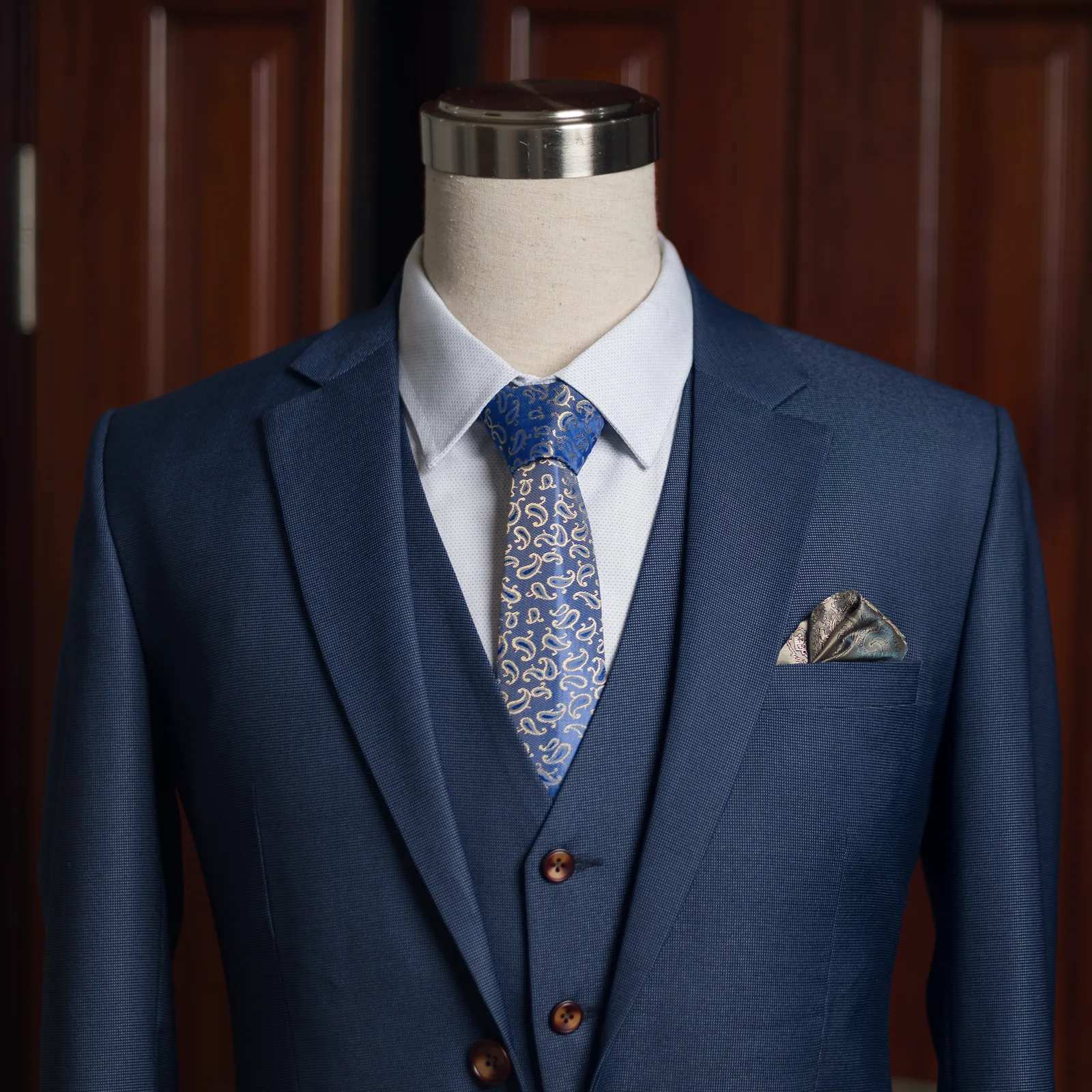
One of the questions I hear most often from people planning a trip to Hoi An is: what can you actually get made here? The short answer is: almost anything. The longer answer is more interesting, because it involves understanding the particular strengths of the tailoring tradition in this part of Vietnam and knowing which styles are likely to be executed at the highest level.
Over several visits to Hoi An, I have commissioned or seen commissioned a remarkable range of garments: structured three-piece suits in English wool, delicate silk ao dai with hand-embroidered panels, wide-leg linen trousers so perfectly cut they could have come from a Paris atelier, and casual resort shirts in lightweight cotton that I wore every day for three weeks straight. The versatility of the tailors here is genuinely impressive — but not every studio is equally skilled at every style, and knowing what to look for makes a significant difference to what you bring home.
The Range of Styles Hoi An Tailors Can Create
Hoi An tailors have been making clothes for an international clientele for decades, which means they have absorbed style influences from across the world. You will find studios that are expert in British-influenced suiting, others that specialise in the easy, flowing silhouettes of French resort wear, and others that are masters of traditional Vietnamese forms like the ao dai. The best studios have a genuine working knowledge of most styles and the technical vocabulary to interpret reference images, fabric swatches, and written descriptions from clients who arrive with a clear idea of what they want.
The practical range of what can be made covers both ends of the formality spectrum. On the formal end: full suits and tuxedos, structured blazers, formal shirts with stiff collars and French cuffs, floor-length gowns, and traditional Vietnamese formal wear. On the casual end: linen shorts and shirts, lightweight cotton dresses, wide-leg trousers, wrap skirts, swim cover-ups, and everything in between. The main limitation is not skill but time — a complex embellished gown that might take two weeks in a European atelier will take two weeks in Hoi An as well, and a client arriving with four days is not going to receive one.
Classic Menswear: Suits, Blazers, and Dress Shirts
Classic menswear is where Hoi An's reputation was built and where the highest concentration of genuine skill can be found. The tradition of making Western-style suits in Vietnam dates back to the French colonial period, and the best tailors working today have inherited a deep technical knowledge of jacket construction, trouser cut, and shirt making that is not easily replicated.
For a suit, the key style decisions involve the silhouette (Italian soft-structured vs. British padded-shoulder vs. American sack), the lapel shape (notch, peak, or shawl), the button stance, the trouser rise and leg opening, and the lining and canvas specification. A good Hoi An tailor will have clear opinions on all of these and will be able to show you examples of each option in finished samples or reference images. The menswear range at Be Li Tailor covers the full spectrum from slim contemporary cuts to classic, roomier silhouettes — and the consultation process is designed to help you identify which will actually suit your body and your lifestyle.
Dress shirts in Hoi An are one of the great overlooked opportunities. A bespoke cotton dress shirt made to your precise collar size, sleeve length, and body shape — with your choice of collar style, cuff, and front placket — typically costs $50 to $75 and can be made within 24 to 48 hours. The quality of the cloth is important here: ask for 100-count or higher Egyptian or Sea Island cotton, and insist on proper interlining in the collar. A shirt made in inferior cotton with cheap collar interlining will not last and will not look right.
Womenswear: Dresses, Trousers, and Tailored Separates
Womenswear is where I have seen some of the most creative and technically impressive work coming out of Hoi An. The range is vast — from strictly tailored blazers and trousers in the tradition of European power dressing, to romantic bias-cut silk dresses that require significant expertise in both cutting and handling of slippery fabric, to beautifully structured cocktail dresses that could easily pass for designer pieces at a fraction of the price.
For structured womenswear — blazers, tailored trousers, fitted coats — the same principles that apply to menswear hold: the quality of the construction is what separates a garment that ages beautifully from one that loses its shape after a season. A tailored blazer cut in Italian wool with a proper canvas chest, set-in sleeves, and finished seams is an investment that will outlast a dozen fast-fashion equivalents. The womenswear programme at Be Li Tailor is staffed by tailors who work exclusively on women's garments — meaning you have the benefit of specialists rather than generalists.
For dresses and softer pieces, the fabric choice becomes even more critical. Silk charmeuse and crepe de chine are the most popular choices for occasion dresses, and Hoi An has excellent access to Vietnamese and Chinese silk at competitive prices. The tailors who work with silk regularly will be comfortable with its particular challenges — the way it slides under the iron, the precision required in cutting, the need for French seams or rolled hems to finish the edges cleanly. Ask to see examples of silk dressmaking before you commit.
Resort and Casual Wear: Linen Shirts, Shorts, and Lightweight Layers
If you are visiting Hoi An in the warmer months — which, let's be honest, is most of the year — the most practical things to commission are lightweight casual pieces that you can wear immediately and pack easily. Linen is the fabric of choice for this category: it breathes better than cotton in high humidity, develops a beautiful texture with wear, and is extremely durable when made properly.
A custom linen shirt in Hoi An typically costs $35 to $60 and can be made in a day if you bring the fabric in early. The advantage of having it made to measure rather than buying off the rack is enormous for shirts in particular — the collar will actually fit around your neck, the sleeve length will be right, and the body can be adjusted so it does not hang like a tent or cling like a second skin. These are not small details; they are the difference between a shirt you reach for every morning and one that sits in the wardrobe.
Linen shorts, linen trousers, and lightweight cotton dresses round out what I think of as the Hoi An resort wardrobe. Wide-leg linen trousers cut with a slight taper at the ankle are both comfortable in the heat and versatile enough to dress up or down — pair them with a structured shirt for dinner, a linen tee for the market. Midi-length linen dresses in block colours are another perennial favourite. None of these are complicated commissions, and almost any competent studio will execute them well.
Formal and Wedding Attire: What's Possible
Wedding commissions are a significant part of the business for Hoi An's most capable tailors, and for good reason — the value proposition is compelling. A bespoke wedding suit in a quality wool blend, made to your measurements with two fittings, typically costs $250 to $380 at a reputable studio. The equivalent garment from a wedding specialist in the UK or Australia would be $1,500 to $3,000 and frequently less well fitted.
For women's wedding attire, the range extends from structured bridal gowns with boning and structured bodices to simple, elegant silk column dresses that are often more wearable and more flattering than elaborate alternatives. The key consideration for wedding pieces is timeline — a gown with significant structure or embellishment needs at least five to seven days minimum, and ideally longer. Any studio that claims to produce a full bridal gown in 48 hours is taking shortcuts somewhere.
Bridesmaids' sets, groomsmen's shirts, and coordinated family attire are also well within reach and represent one of the more practical applications of Hoi An tailoring for groups. The ability to have six people fitted and dressed in matching or coordinated pieces at a fraction of Western retail prices, made to their individual measurements, is not something available anywhere else quite like it is here.
How Be Li Tailor Approaches Style Guidance for Every Client
One of the things that distinguishes a genuinely good tailoring studio from a transactional one is the quality of the style consultation. Walking in with a reference image from Instagram is a perfectly valid starting point, but it is rarely the end of the conversation. A skilled tailor should be able to look at a reference image and tell you honestly whether the style will suit your body, what modifications might be needed, and which fabric choices will best achieve the effect you are after.
At Be Li Tailor, the consultation begins with questions about your lifestyle and how you plan to wear the garment — not just what it should look like. A suit that will be worn in a tropical climate needs a different fabric weight and construction than one destined for a European winter. A dress that needs to pack into carry-on luggage calls for different fabric and structure than one that will hang in a wardrobe until a single occasion. These are the kinds of practical considerations that a tailor with real experience will raise automatically, and that distinguish a garment made for your life from one that looks good on a mannequin but never quite works in practice.
Explore What's Possible
Be Li Tailor is at 635 Hai Bà Trưng, Hội An, open daily 8am–9pm. Whether you arrive with a specific style in mind or need help narrowing it down, our tailors will guide you through the options that suit your body, your occasion, and your budget. Book a consultation or send us a message before you arrive.