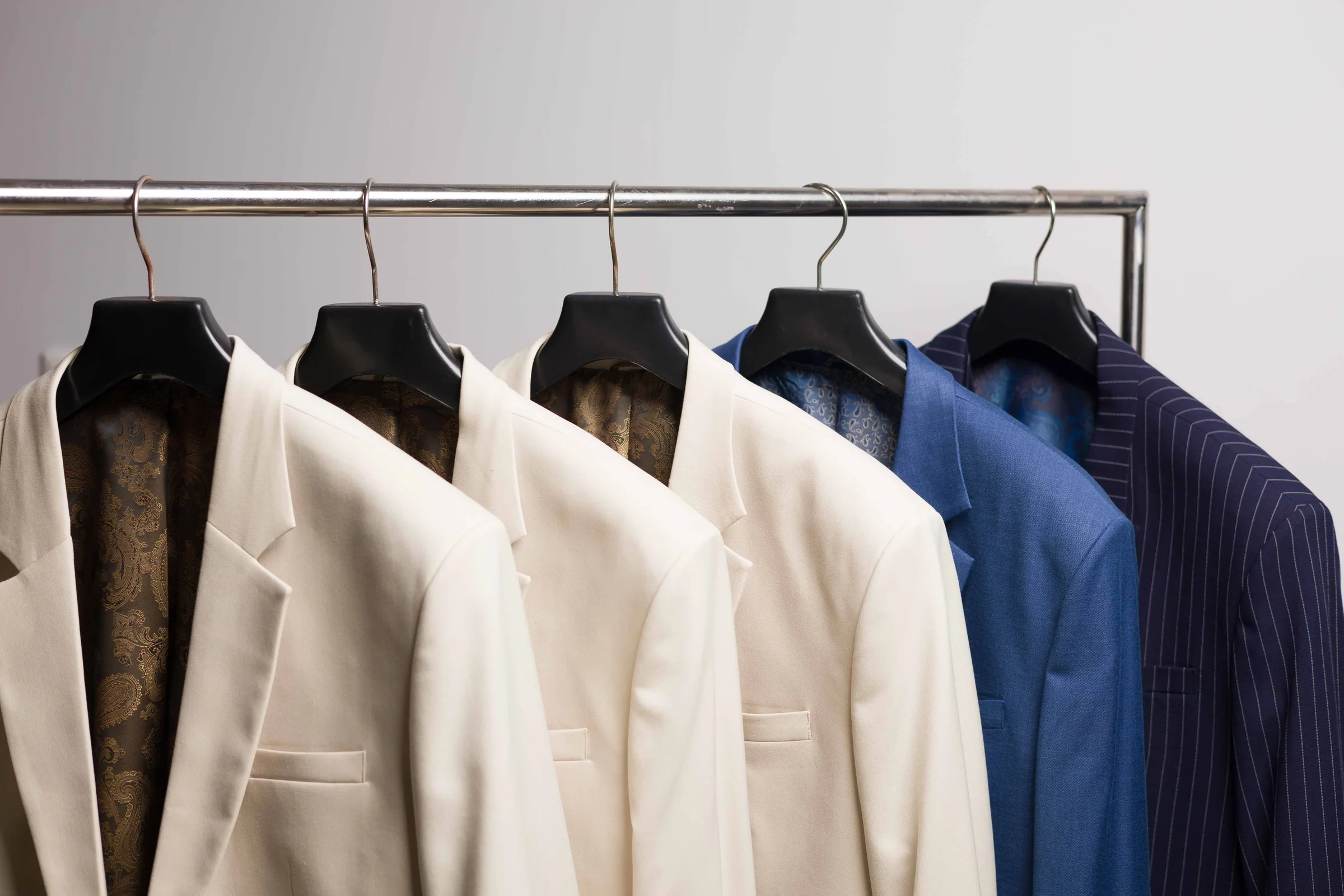
I arrived in Hoi An with $400 set aside for tailoring and a long list of things I wanted made. By the time I left, I had spent $320, ended up with six garments I genuinely love, and learned more about the economics of custom clothing than I had in years of reading about it. This is the account of how that journey went — what I prioritised, what I got wrong first, and how I eventually found a way to stretch a limited budget further than I expected without sacrificing quality in the ways that matter most.
Budget tailoring in Hoi An is possible. But "affordable" does not mean the same thing in every context, and the cheapest option is rarely the best use of your money. This guide is about navigating that middle ground — getting genuinely good value without either overpaying for things you do not need or underpaying for corners that will come back to haunt you when you get home.
Setting a Realistic Budget for Custom Clothing in Hoi An
The first thing I had to do was recalibrate my expectations around what "cheap" means in Hoi An tailoring. I had read blog posts suggesting that suits could be made for $60 or $70, and technically they can — but a $70 suit in Hoi An is made from synthetic fabric with fused construction and a minimum of fitting time. It may look acceptable in a photograph. It will not look good in real life or hold up for more than a season. The meaningful price floor for a genuinely good custom garment is higher than the internet often suggests.
A more useful framework is to think in terms of cost-per-wear. A linen shirt that costs $55 and lasts five years, worn fifty times a year, costs eleven cents per wear. A shirt that costs $30 and falls apart after twelve months costs considerably more on that basis, regardless of the lower sticker price. Once I started thinking this way, my budget allocation shifted toward fewer, better pieces rather than as many garments as possible.
For a week-long tailoring trip with a budget of $400 to $600, a reasonable and satisfying allocation might be: one two-piece suit ($220 to $280), two dress shirts ($45 to $65 each), and one or two casual pieces — linen trousers, a casual shirt, or a simple dress ($40 to $80 each). This leaves room for fabric upgrades on the most important pieces without requiring heroic economies on everything else.
What You Can Get Made for Under $100
There is a genuine category of excellent custom clothing available in Hoi An for under $100 per piece, and it is worth knowing what sits comfortably in that range. Simple, unstructured garments in natural fabrics — linen shirts, linen trousers, cotton chinos, casual cotton or silk dresses, lightweight shorts — are all achievable at this price point without meaningful quality compromises. The absence of internal structure (canvas, padding, lining) means the labour and material cost is lower, and the result is a casual garment that fits perfectly and lasts well.
A custom linen shirt in a quality Vietnamese or Chinese linen, with collar and cuff stitching done properly, typically runs $35 to $65 at a reputable studio. Wide-leg linen trousers with a proper waistband, in the same quality linen, are $50 to $80. A simple silk dress in a column or wrap silhouette — one without significant structural elements — can be made for $75 to $95 in a mid-weight Vietnamese silk. These are real garments with real value, not compromises.
The womenswear range at good studios includes a number of pieces that sit comfortably below the $100 mark — blouses, casual trousers, and simple dresses in linen and cotton that represent straightforward, honest value. If you are working to a tight budget and these are the categories you want to fill, a Hoi An tailoring trip is genuinely one of the best ways to spend it.
Mid-Range Custom Clothing: Where the Real Value Is
The strongest value proposition in Hoi An tailoring — the category where the quality-to-price ratio is most compelling — sits in the $100 to $280 range. This is where structured garments become accessible: tailored blazers, well-constructed two-piece suits, lined dresses with boning or internal support, and high-quality dress shirts with proper collar construction.
A navy blazer in a mid-weight Italian wool blend, made with half-canvas construction and two proper fitting sessions, costs approximately $180 to $220 at a quality Hoi An studio. The same garment from a comparable mid-range tailor in the UK or Australia would cost $600 to $900. The quality, if you choose your studio carefully, is directly comparable. This is the category where Hoi An tailoring genuinely disrupts the market — not by being cheap, but by delivering work of a standard that would otherwise require a much larger investment.
A two-piece suit in the $220 to $280 range, made in a proper wool or wool-blend fabric with honest internal construction and two fittings, is one of the most reliable ways to spend a Hoi An tailoring budget. It is the piece that will get the most use, will be most visible in professional and social contexts, and will most clearly demonstrate the value of the investment every time you wear it.
How to Prioritise What to Commission
If you have a limited budget and a long list of things you want made, the prioritisation framework I have found most useful is to rank garments by the difficulty of buying them well off the rack. Garments that are hard to buy well at retail — suits, blazers, dress shirts, and well-fitted trousers — should come first, because the benefit of custom tailoring is greatest for these pieces. Garments that are reasonably easy to buy off the rack — casual t-shirts, basic shorts, simple jersey pieces — are lower priority, because the custom advantage is smaller.
Second, prioritise the pieces you will wear most frequently. A garment you wear twice a week delivers far more value per dollar than one you wear twice a year. A well-fitted linen shirt for daily wear is a better use of a limited budget than an elaborate occasion piece you will wear once. Third, prioritise the pieces where your off-the-rack experience has been most frustrating — the areas where standard sizing consistently fails to accommodate your body. For many people, this is shirts (too baggy in the body when the collar fits), trousers (too short in the leg or too high in the rise), or jackets (shoulder seam too wide or too narrow). These are the areas where custom tailoring delivers the clearest and most immediate improvement.
Avoiding the Traps That Push Up the Final Bill
There are several common traps that cause Hoi An tailoring budgets to inflate beyond their intended level, and knowing them in advance can save both money and disappointment. The first is the fabric upsell. A tailor who shows you a beautiful Italian wool sample and quotes accordingly, but then switches to a less expensive fabric during production, is one kind of problem — and is largely solved by asking for a swatch from the specific bolt to be used. But the more common issue is the reverse: a tailor who progressively introduces premium fabric options during the consultation until the quote has doubled from where it started. Know your budget before you sit down, state it clearly, and ask to see fabrics within that range.
The second trap is commission creep — the gradual expansion of what you have agreed to make. You go in for a suit and come out having also ordered a dinner jacket, two shirts, and a waistcoat you will never wear. This is not necessarily the tailor's fault; the excitement of the consultation is real and it is easy to get carried away. Set a clear limit before you enter any studio and stick to it. If you find yourself wanting more than you planned for, write it down and commission it on the next visit rather than in the moment.
The third trap is the rush premium. If you only have 24 hours left in Hoi An and desperately want a suit, some studios will accommodate this — but the price will be higher and the quality will be lower. The fitting process will be compressed or eliminated, the construction will be rushed, and the result will show it. Build in enough time to do things properly, and you will not need to pay the premium for speed.
How Be Li Tailor Helped Me Get More for My Budget
The most useful thing the team at Be Li Tailor did for me was to be honest about my options before I committed to anything. I arrived with a list of five things I wanted and a budget that would not stretch to all of them at the quality level I was hoping for. Rather than simply agreeing to everything and hoping I would not notice the shortcuts, the tailor went through each item, told me what it would cost done properly, and helped me make an informed decision about what to prioritise.
We landed on the suit and two shirts as the priority commissions, with the casual linen pieces pushed to a later visit. The suit came in at $245 in a quality Italian wool blend with half canvas construction; the shirts were $55 each in 100-count Egyptian cotton. The total was $355, inside my budget, and the three garments together gave me more versatility than the five pieces I had originally planned would have done — because they were made properly and fitted correctly, rather than being a larger quantity of work compromised by time and budget pressure.
That kind of honest consultation is not universal in Hoi An, and when you find it, it is worth valuing. Reaching out before your visit to discuss your budget and your list gives the studio a chance to do that work before you sit down — so the consultation itself is more focused and productive, and you leave with a clear plan rather than a list of decisions made under the pressure of a ticking travel clock.
Make the Most of Your Budget
Be Li Tailor is at 635 Hai Bà Trưng, Hội An Ancient Town, open daily 8am–9pm. Tell us what you want and what you're working with — reach us before you visit and we'll tell you what's achievable. No upselling, no pressure to spend more than you came to spend.