Before I arrived in Hoi An, I had spent a genuinely embarrassing amount of time trying to make sense of the prices I was reading online. Forum posts quoted everything from $40 to $600 for what sounded like the same suit. Blog articles from five years ago mentioned figures that seemed too good to be true, while recent Reddit threads warned darkly about "tourist traps" and "bait-and-switch fabric upgrades." I had no idea what to believe, and I suspect a lot of travellers arrive in the same fog. What I can offer you now is the benefit of having actually done it — multiple visits, multiple garments, a lot of questions asked and answered.
The honest short answer is this: Hoi An tailoring is genuinely, legitimately affordable by any international standard. A well-made bespoke suit costs a fraction of what you'd pay in London, Sydney, or New York. But "affordable" is not the same as "uniform," and understanding why prices vary so widely is the key to spending your money well and leaving with clothes you'll actually wear for years.
Why Hoi An Tailoring Is So Affordable
The economics are straightforward once you understand them. Vietnam has dramatically lower labour costs than Western countries, and Hoi An has maintained a tailoring culture for generations — so the skill is deep and widespread. Most studios employ tailors who have been doing this work since they were teenagers, learning from family members who did the same. There is no expensive apprenticeship system, no London West End rent, no guild fees. The overhead is low, and the expertise is local.
What you're paying for, then, is primarily materials and labour — which is exactly what you should be paying for. There is very little markup for brand, for shop fittings, for marketing budgets. When a studio in Hoi An quotes you $220 for a two-piece suit, they are not cutting corners. They are simply operating in a cost environment that is structurally different from anything you've encountered in a Western tailoring context. That said, some studios are significantly better value than others, and price alone tells you nothing about what you'll actually receive.
It's also worth noting that Hoi An specifically — as opposed to Ho Chi Minh City or Hanoi — has developed such a concentrated tailoring reputation that competition is intense. Studios have every incentive to deliver quality, because international travellers are sophisticated and review culture is real. A bad review from a German tourist who posts on TripAdvisor can reach the next ten visitors before they even land. This competitive pressure is quietly one of the best quality-assurance mechanisms in the business.
The Price Ranges You'll Actually Encounter
Here is a rough guide based on my own experience and research across multiple visits. These figures are for 2025 and reflect what you can expect to pay at a mid-to-premium studio for genuinely bespoke work — not off-the-rack with minor adjustments.
- Simple dresses and tops: $45 to $90, depending on fabric and complexity
- Dress shirts (men's): $35 to $80 per shirt, with discounts when ordering multiples
- Linen trousers or chinos: $55 to $90
- Women's ao dai (traditional Vietnamese dress): $80 to $180
- Blazer (single, unlined): $100 to $160
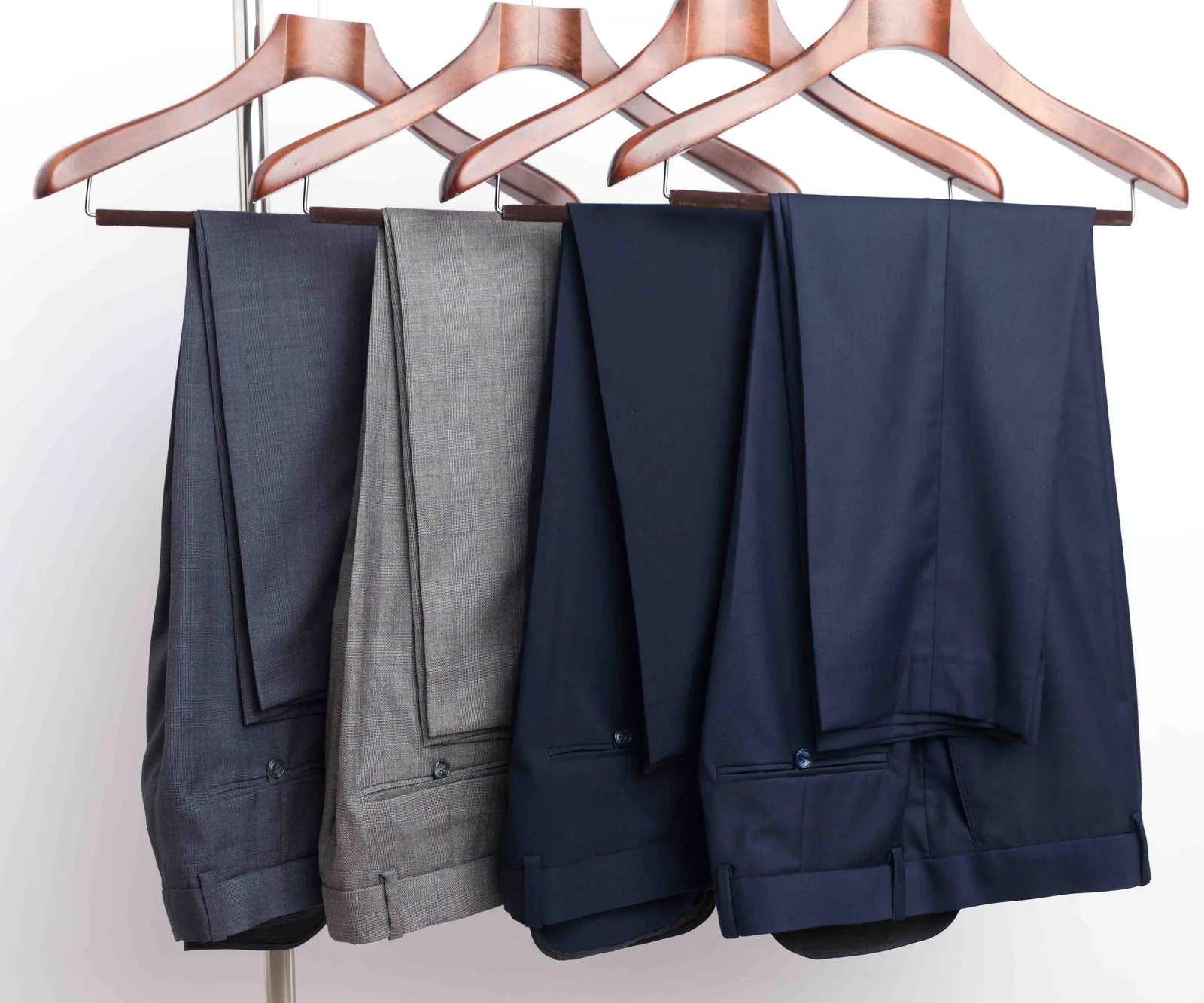
- Two-piece suit in mid-range fabric: $180 to $300
- Two-piece suit in premium wool: $280 to $450
- Three-piece suit: add $60 to $100 to the above
- Wedding dress (simple to moderate): $200 to $600+
These ranges reflect the spread between budget studios and premium ones. The lower end is achievable, but usually involves cheaper polyester-blend fabrics, less experienced tailors, and a process that moves fast because they're handling dozens of tourists simultaneously. The upper end — and this is where Be Li Tailor sits — involves proper woven fabrics, experienced hands, and a genuine fitting process with multiple appointments.
What Affects the Final Cost of Your Garment
Three things drive price more than anything else: fabric, complexity, and the studio's approach to fitting. Fabric is the biggest variable. A suit made in imported Italian or English wool will cost significantly more than the same silhouette in a local polyester blend — and will also last, breathe, and look dramatically better. At most reputable studios, fabric samples are labelled with prices per metre, and the tailor will show you your options clearly. If a studio is reluctant to show you fabric prices separately, that is a warning sign.
Complexity covers things like lining choices, the number of buttonholes, whether buttons are functional or decorative, the type of lapel, and whether you want hand-stitching details versus machine work. Each of these adds time and therefore cost, and a good tailor will walk you through these choices honestly rather than default-selecting the expensive options. Fittings also matter: a studio that includes two or three fitting appointments in the price is doing more work than one that makes your garment once and calls it done. When something is altered after a fitting, a tailor is essentially redoing hours of work — and that should be factored into the original quote.
Budget Tailoring vs Premium Studios: What's the Difference
I have visited both, and the gap is real. Budget studios — the ones clustered near the tourist market and operating with a "same-day delivery" model — can produce wearable garments at impressive speed. If you want a simple linen shirt or a casual dress to wear on the beach for a week and leave behind, they will serve you fine. The process is usually quick: a tape measure run over you, a fabric picked from a photo on a phone, a delivery in 24 hours. The results are accordingly variable.
Premium studios operate differently. There is a consultation first — a conversation about what you actually want, where you'll wear it, what fit you prefer, what you've liked and disliked about clothes in the past. Fabric is handled and explained rather than pointed at on a screen. Measurements are taken carefully, cross-checked, and recorded for future visits. The first fitting reveals what needs adjustment, and those adjustments are made before the garment is finished. The whole process takes five to seven days for a suit, which means you need to plan your itinerary accordingly — but what you collect at the end is something you might wear for a decade.
How to Avoid Overpaying (and Under-Ordering)
The most common mistake I see travellers make is not overpaying — it's under-ordering. You arrive for a three-day visit, commission one shirt because you're not sure what to expect, fall completely in love with it, and then wish you'd ordered six. If you're planning a Hoi An tailoring trip, decide what you want in advance, research what it should cost, and arrive ready to commission everything at once. Most studios offer discounts for multiple items, and you'll save significant money compared to the same order split across two visits.
To avoid overpaying, the key is to get itemised quotes. Ask separately what the fabric costs per metre, what the labour costs, and whether alterations are included. A transparent studio will answer these questions without hesitation. If a quote comes back as a single undifferentiated number and the tailor is vague about what's included, that is not necessarily a scam — but it makes it hard to compare and hard to understand what you're actually getting. I always prefer a studio that can explain its pricing, because that transparency usually reflects a broader attitude toward the whole process.
What I Paid at Be Li Tailor — and What I Got
I commissioned a bespoke suit and two dress shirts on my first visit. The suit was a two-piece in a mid-weight Italian wool blend — charcoal grey, slim two-button, half-lined with a natural shoulder. The shirts were poplin cotton, one white and one pale blue, with a spread collar and mother-of-pearl buttons. Total cost: $340 for all three items. That included two fittings for the suit and one adjustment to the shirt collar on the second visit.
What I got was, honestly, better than I expected. The suit fit me more precisely than anything I owned off-the-rack from even premium high-street brands. The chest was clean, the trousers broke exactly where I asked, and the shoulders — which are the hardest thing to get right — sat perfectly. The shirts were crisp and well-finished, with consistent stitching and buttons that actually aligned properly. I've since worn that suit to more occasions than I can count, and multiple people have asked where I bought it. The honest answer — that I had it made in Vietnam for about $280 — is usually met with disbelief. That reaction tells you everything you need to know about what Hoi An tailoring represents as a value proposition.
If you're trying to decide whether it's worth the investment of time and planning, the short answer is yes. But plan properly, give yourself enough days, choose a studio that takes quality seriously, and get in touch before you arrive if you have specific requirements. The tailors who do this work well are artisans, not fast-fashion factories, and they deserve the same kind of respect and preparation you'd bring to any serious commission.
Get an Honest Quote
Be Li Tailor is at 635 Hai Bà Trưng, Hội An Ancient Town, open daily from 8am to 9pm. If you'd like to discuss what you want made and what it will cost — without the upsell — reach out before you arrive or book your first appointment online. Transparent pricing is something we take seriously.