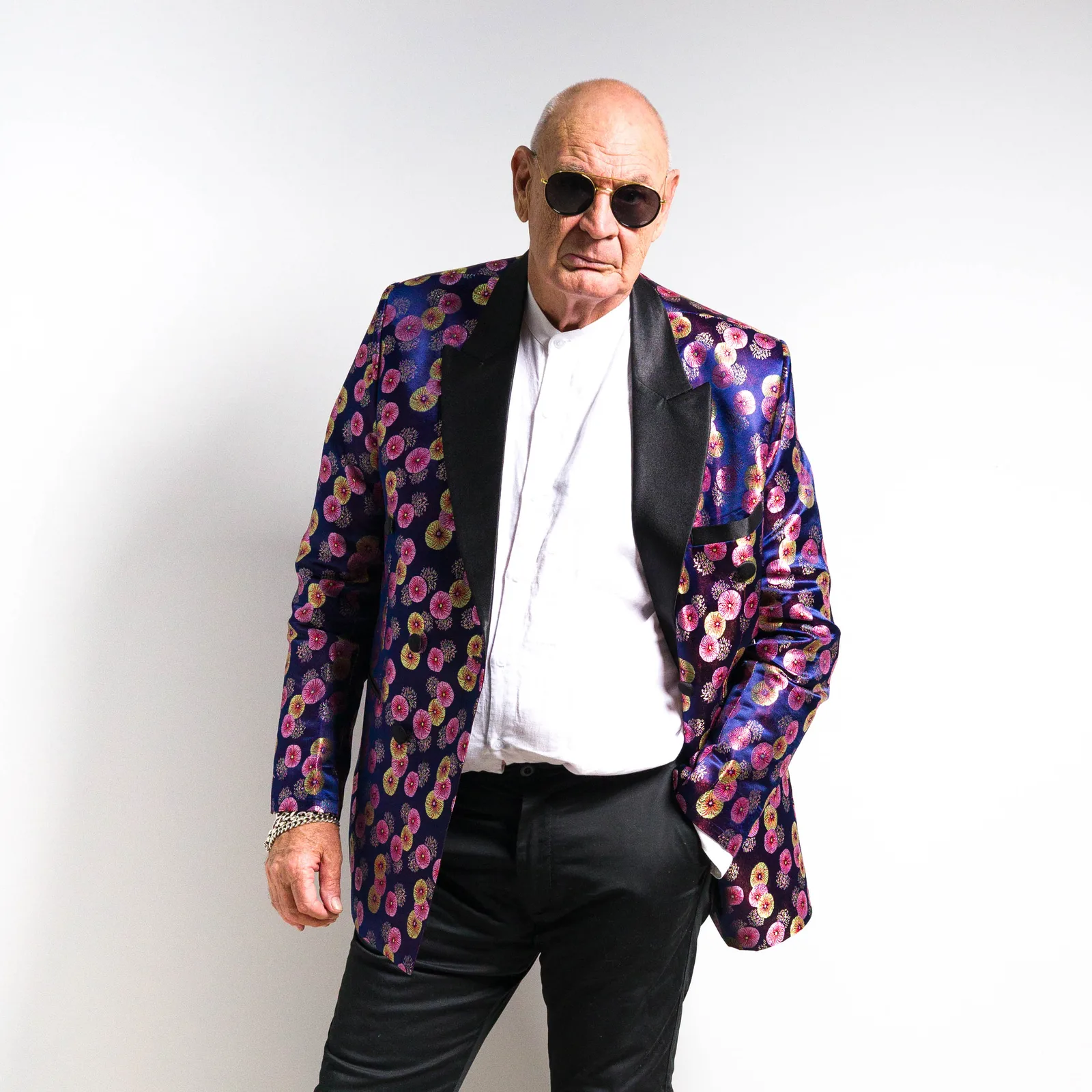
For most of my adult life, getting dressed was a compromise. Off-the-rack clothing never quite fit the way I wanted — too tight across the shoulders, too short in the sleeve, or hovering awkwardly somewhere between sizes with no straightforward solution. I spent years buying more clothes than I needed, trying to find the combination that worked, and ending up with a wardrobe that was simultaneously full and inadequate. The first trip I made to Hoi An, and the first suits and shirts I had made there, changed that relationship with clothing permanently.
What I discovered was not just that custom tailoring in Vietnam was affordable — I had known that already — but that it was genuinely good. Good enough to replace most of what I had been buying at significantly higher prices elsewhere. Good enough that the garments I commissioned on that first trip are still in regular rotation years later. This article is about how to use a Hoi An tailoring trip to make that same transformation in your own wardrobe, and which studios are best positioned to help you do it.
Why Custom Tailoring Is the Fastest Way to Upgrade Your Wardrobe
The single most impactful change you can make to how your clothing looks and feels is fit. Before fabric quality, before colour, before style — fit. A modestly priced garment that fits correctly will look better than an expensive garment that does not. This is not a controversial statement among people who think seriously about clothing, but it is one that the mass fashion industry has little interest in promoting, because perfectly fitted clothing reduces the need to keep buying more.
Custom tailoring solves the fit problem definitively. When a garment is cut from a pattern drafted to your measurements — your actual shoulder width, sleeve length, chest and waist circumference, trouser rise, and leg length — it will fit in a way that no off-the-rack or standard made-to-measure piece can match. The difference is most visible in the shoulders of a jacket (which should sit exactly at the shoulder joint with no overhang), in the collar of a shirt (which should button comfortably with one finger of ease at the neck), and in the waist and seat of trousers (which should follow the natural line of the body without pulling or bagging).
Beyond fit, custom tailoring allows you to make intelligent choices about fabric and construction that are simply not available at retail. You can specify the exact cloth weight and composition for your climate and lifestyle, the construction method that will give you the best value for your intended use, and the details — collar shape, pocket placement, lining colour — that make a garment uniquely yours. These choices, taken together, are what produce garments that feel like an extension of your identity rather than a costume borrowed from someone else's wardrobe.
What to Commission for Maximum Wardrobe Impact
If you are approaching a Hoi An tailoring trip strategically — thinking about which pieces will have the greatest impact on your day-to-day wardrobe — there is a fairly consistent answer across most people's clothing needs. The highest-impact commissions tend to be the ones that are hardest to buy off the rack: structured jackets, well-fitted trousers, and dress shirts.
A well-fitted blazer in a neutral colour is one of the most versatile pieces in any wardrobe. Worn over a linen shirt and chinos, it works for a smart dinner. Over a t-shirt with dark jeans, it elevates a casual outfit without looking try-hard. The key is that it fits — a jacket that pulls at the shoulders or bunches at the back undoes everything else. Having one made in Hoi An in a medium-weight navy or charcoal wool blend, with proper internal construction, gives you a piece that will serve you in almost any context.
Trousers are similarly transformative when fitted correctly. Most people have never worn a pair of trousers where the waistband actually sits at their natural waist, where the seat follows the actual curve of the body, and where the leg is precisely the right length — not hovering above the shoe or pooling on the floor. Once you have experienced that fit, every pair of off-the-rack trousers will feel wrong in comparison. Linen trousers for summer and wool-blend trousers for cooler climates are both excellent commissions for a Hoi An trip.
The Studios That Consistently Deliver on Quality
The honest answer to "which studios consistently deliver on quality" is a short list. Of the 400-plus shops in Hoi An, perhaps thirty to forty operate at a genuinely high technical standard. Of those, perhaps fifteen to twenty have the combination of skilled senior tailors, quality fabric sourcing, and rigorous fitting processes that separate the best from the merely competent.
The studios worth seeking out share certain characteristics: they have been in business for more than a decade (experience matters enormously in tailoring), they employ senior tailors who personally draft patterns and oversee construction, they source natural-fibre fabrics from reputable mills, and they insist on at least two fittings for structured garments. They are also typically not the cheapest options on the market — genuine quality has a floor price, and any studio quoting dramatically below market rates is making savings somewhere that will show up in the finished garment.
The menswear programme at Be Li Tailor consistently meets these criteria. The studio has been operating since 2009, the tailors have decades of collective experience, the fabric selection is sourced from named mills, and the fitting process for structured garments is non-negotiable. I have sent friends and colleagues there over multiple years with consistently positive results. That kind of track record is not easy to manufacture.
How to Get the Most Out of a Short Visit to Hoi An
Most visitors to Hoi An are there for three to five days, which is enough time for a well-organised tailoring commission but not enough for anything more ambitious than two or three garments. The key to getting the most out of limited time is preparation: arriving with a clear sense of what you want to commission, reference images on your phone, and a realistic understanding of what can be done well within your timeline.
On the first day, visit two or three studios and have the consultation conversation at each — describe what you want, look at fabric options, and get a quote. Do not leave deposits anywhere on the first day. On the second day, make your decision and leave a deposit at the studio you have chosen. Most studios will have a fitting ready within 24 to 48 hours. Attend the fitting with enough attention to evaluate the garment properly — put it on, move around, check the shoulder alignment, button the jacket and check that it does not pull. Ask for adjustments to be made before you leave the fitting. Pick up the finished garment on day four, try it on carefully in the studio before accepting it, and address any remaining issues on the spot.
If you are planning a longer stay and want to build a more substantial wardrobe, booking your first appointment in advance is the single most effective thing you can do. It means you arrive with a confirmed consultation time rather than joining a walk-in queue, and it allows the studio to have relevant fabric samples ready for you to evaluate. Some studios will also provide indicative quotes based on a description sent in advance, which lets you budget more accurately before you arrive.
Building a Capsule Wardrobe at a Hoi An Tailor
A capsule wardrobe approach — a small collection of versatile, high-quality pieces that work together and cover most occasions — is particularly well suited to custom tailoring. The pieces do not need to be numerous; they need to be right. In my own wardrobe, the pieces from Hoi An that I wear most frequently are a charcoal two-piece suit, two cotton dress shirts in white and light blue, a navy blazer, two pairs of well-cut linen trousers in cream and khaki, and three linen shirts in neutral colours. These twelve items cover approximately 80% of the occasions I dress for, and they all fit perfectly.
Building this kind of wardrobe in Hoi An over one or two trips is entirely achievable, even on a moderate budget. The key is to resist the temptation to commission too many things on a single visit — better to have three garments that are perfect than eight that are merely adequate. Prioritise the structured pieces (suit, blazer, trousers) on the first trip, because these are the ones that benefit most from the fitting process and that will have the greatest impact on how you dress day-to-day. The casual pieces can follow on subsequent visits, once you have an established relationship with a tailor who knows your measurements and your preferences.
Why Be Li Tailor Is My First Choice for Wardrobe Investment Pieces
I have used a number of tailors in Hoi An over the years, and several have produced good work. But for the pieces I consider genuine wardrobe investments — garments I plan to wear for a decade or more — Be Li Tailor is the studio I return to. The reason is not price or location; it is a combination of construction quality and process honesty that I have not found consistently replicated elsewhere in the town.
Every suit I have commissioned there has been built with proper internal structure. The fittings are taken seriously — adjustments are made methodically rather than optimistically, and if a correction requires time, the studio is honest about the fact rather than rushing a result. The fabric sourcing is transparent: when I ask where a cloth comes from, I get a specific answer with a mill name. And the tailors themselves are genuinely engaged in the work — they have opinions on construction and style, and they share those opinions when asked.
For anyone approaching Hoi An tailoring as a wardrobe investment rather than a tourist experience, that level of engagement matters. A tailor who cares about the quality of their output is a fundamentally different proposition from one who is simply trying to maximise throughput during high season. The garments reflect that difference, and so does the experience of wearing them for years afterward.
Build a Wardrobe Worth Keeping
Be Li Tailor is at 635 Hai Bà Trưng, Hội An Ancient Town, open daily 8am–9pm. If you're serious about building a wardrobe of pieces that fit properly and last decades, book a consultation — we'll help you prioritise what to commission and make it within your budget and your timeline.