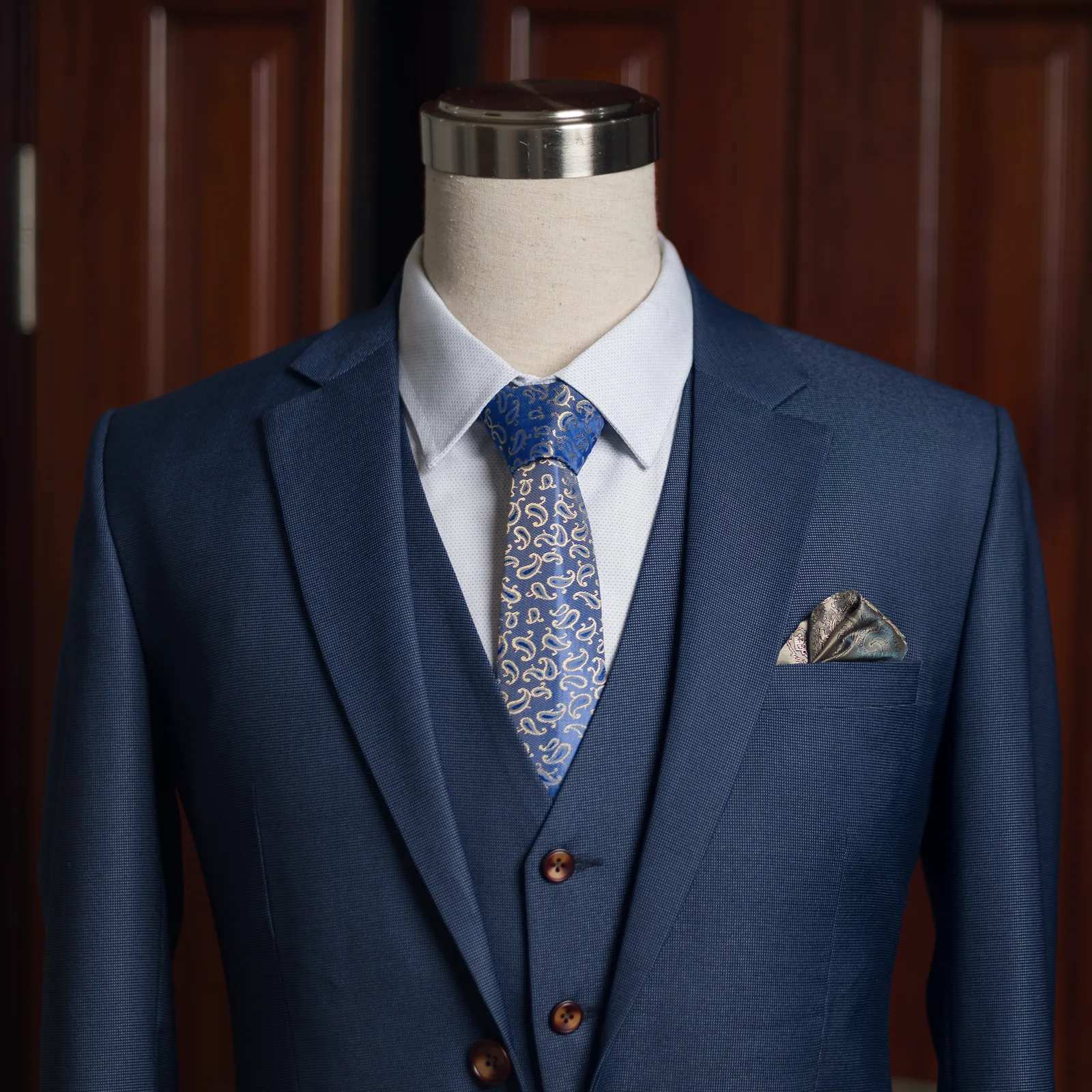
If you've never used a tailor before — genuinely never sat down with someone who took your measurements, showed you fabric samples, and made a garment to your specific dimensions — the whole idea can feel intimidating. Where do you start? What do you say? Do you need to know what you want before you walk in, or is it acceptable to arrive with only a vague idea? Will you need to speak Vietnamese, and is there a minimum amount you're expected to spend? I had all of these questions before my first visit to Hoi An, and I suspect they are fairly universal. This is everything I wish someone had told me.
What Tailor Services in Hoi An Actually Include
The range of what Hoi An tailors offer is much broader than most first-timers expect. The obvious items — suits, shirts, dresses — are just the beginning. Most studios will make anything from a simple linen blouse to a fully structured three-piece suit in imported wool, and the better studios can also work from reference photos or existing garments you bring in for copying. Wedding wear is a significant specialisation at some studios. Traditional Vietnamese garments, particularly the ao dai, are made throughout the town. Alterations to existing clothing are also commonly offered, though they're rarely the focus of a bespoke studio.
For menswear, the standard offering typically includes suits (two-piece and three-piece), blazers, dress trousers, dress shirts in a range of collar and cuff styles, waistcoats, and casual trousers and chinos. Womenswear covers a similarly wide range: dresses, blouses, skirts, tailored trousers, and more structured pieces like blazers and coats. The quality ceiling is higher than most visitors expect — at a studio like Be Li Tailor, you can commission genuinely complex garments with proper construction, functional buttonholes, and quality interlinings, not just simple shapes knocked up quickly from cheap fabric.
What you will not typically find is alterations done while you wait, or anything close to the 24-hour turnaround that budget studios sometimes advertise for suits. Proper bespoke tailoring requires time because it requires fittings, and fittings require the garment to be in a state worth fitting. Plan for five to seven days for a suit and two to three days for simpler items like shirts and dresses.
How to Book and What to Bring to Your First Appointment
Most of the better studios in Hoi An welcome walk-ins, but booking in advance is worth doing if you have specific timelines or a significant commission in mind. It means the studio is prepared for your visit rather than fitting you in between other customers, and it gives you a chance to communicate in advance if you have reference images, a specific garment you'd like copied, or measurements you've already had taken. I booked my appointment online a week before I arrived and found the whole process considerably smoother for having done so.
What to bring: reference images are the single most useful thing. A photo saved on your phone of a suit silhouette you like, a dress style you've always wanted, or a collar design you've seen on someone else gives the tailor much more to work with than a verbal description. Physical garments are even better — if you have a shirt whose collar you love, bring it. The tailor can take measurements from it, replicate the shape, and improve on it in whatever ways you'd like. Bring any garments you intend to wear the new piece with, so the tailor can judge appropriate lengths and proportions. Wear well-fitted underlayers to your measurement appointment — fitting over bulky knitwear produces inaccurate measurements.
The Consultation: Fabrics, Styles, and What to Decide
The consultation is the most important part of the whole process, and it's where most first-timers underinvest their attention. You will be shown fabric samples — physical swatches, not images on a screen at a good studio — and asked to make choices about weight, colour, and composition. You will be asked about lining (full, half, or none), buttons (plastic, horn, mother-of-pearl), and the specific details of construction that distinguish one garment from another. These choices will affect both the cost and the quality of the finished garment, and it's worth taking the time to think them through rather than nodding along to whatever is suggested.
On fabric: the choice between a local polyester blend and an imported wool or cotton is the most significant quality decision you'll make. The price difference is real — a wool suit will cost $60 to $100 more than the equivalent in a synthetic blend — but the difference in how it wears, drapes, and lasts is even more significant. If you're making something you intend to wear for years, the upgrade is almost always worth it. Ask the tailor to show you a finished garment in both fabric types if possible; the difference is immediately obvious when you hold them side by side.
Don't be afraid to ask questions and push back. A good tailor will have opinions and will share them — about whether a particular collar suits your face shape, whether the suit length you've specified will look proportionate, whether the fabric you've chosen is appropriate for the occasion you've described. These opinions are based on experience and are worth hearing. You don't have to take them, but the exchange is one of the things that separates a proper consultation from a transactional order-taking exercise.
Fittings, Alterations, and the Timeline You Need
A typical bespoke suit at a quality Hoi An studio involves two fitting appointments. The first fitting, three to four days after the consultation, is a working session: the garment exists in rough form, with chalk marks and temporary seams. This is your chance to assess the structural fit — chest, shoulders, waist suppression, trouser seat and thigh. Any issues identified here are noted and corrected before the garment is finished. The second fitting, one to two days later, confirms the corrections and checks the finished state. If everything is right, you collect at the second fitting or the following day.
This timeline means you need a minimum of five to six days in Hoi An if you want a suit made properly. Seven is more comfortable. If you arrive with three days and want a suit, you're either going to have to accept a much faster and lower-quality process or accept that you cannot collect it before you leave (some studios offer international shipping, which is a legitimate option but adds complexity and cost). Plan your itinerary around your tailoring commission rather than trying to fit the commission around a packed sightseeing schedule.
For simpler items — shirts, dresses, trousers — the timeline compresses. A well-made shirt can typically be ready for a single fitting appointment within two days of the consultation, with collection the next day. A simple dress in a forgiving fabric might be a two-day turnaround. More complex pieces — heavily structured jackets, wedding dresses, garments with significant embroidery or detailing — should be allowed more time, and the tailor will advise you specifically.
Menswear, Womenswear, and Wedding Services: What's Available
Hoi An tailors have historically been associated with men's suits, and the menswear offering is well-developed and competitively priced. But womenswear has grown significantly as a specialism, and the better studios are equally capable of producing complex women's garments. The range runs from casual linen dresses and silk blouses through to fully structured women's blazers and tailored trousers. Wedding dresses are a significant category — both traditional Vietnamese wedding ao dai and Western-style wedding dresses are made throughout the town, at prices that are remarkable compared to Western bridal boutiques.
If you have a specific garment in mind that falls outside the obvious categories, ask. The breadth of what skilled tailors can produce is wider than most people expect. Embroidered pieces, garments with complex draping, replica costumes, traditional garments from other cultures — these are all things that have been commissioned and successfully made in Hoi An. The key is communication: the more clearly you can describe or show what you want, the better the outcome will be.
How Be Li Tailor Handles the Whole Process
What I found at Be Li Tailor was a process that felt genuinely unhurried despite the fact that Hoi An is a busy tourist town. From the initial consultation through to collecting my finished garments, I never felt like I was being moved through a conveyor belt. The consultation took the better part of an hour for two garments. The tailors were specific and attentive during measurements. At the first fitting, issues were identified and discussed rather than glossed over, and the corrections were made accurately. When I collected the finished pieces, I was given time to try them on carefully and confirm I was happy before leaving.
This approach is a reflection of how the studio operates generally — with a focus on the quality of the finished garment rather than the volume of customers processed. It means the studio is not the cheapest option in Hoi An, and it means you need to plan your visit to allow the full timeline. But it also means that what you collect is something you'll wear with genuine satisfaction rather than something you'll look at critically under your bathroom light at home and wish had been made slightly differently. For anyone doing this for the first time, that peace of mind is worth building the time for.
Plan Your Tailoring Visit
Be Li Tailor is at 635 Hai Bà Trưng, Hội An Ancient Town, open daily 8am–9pm. Book your first appointment before you arrive — it takes two minutes and means you walk in ready to start. Questions before you visit? We're easy to reach.