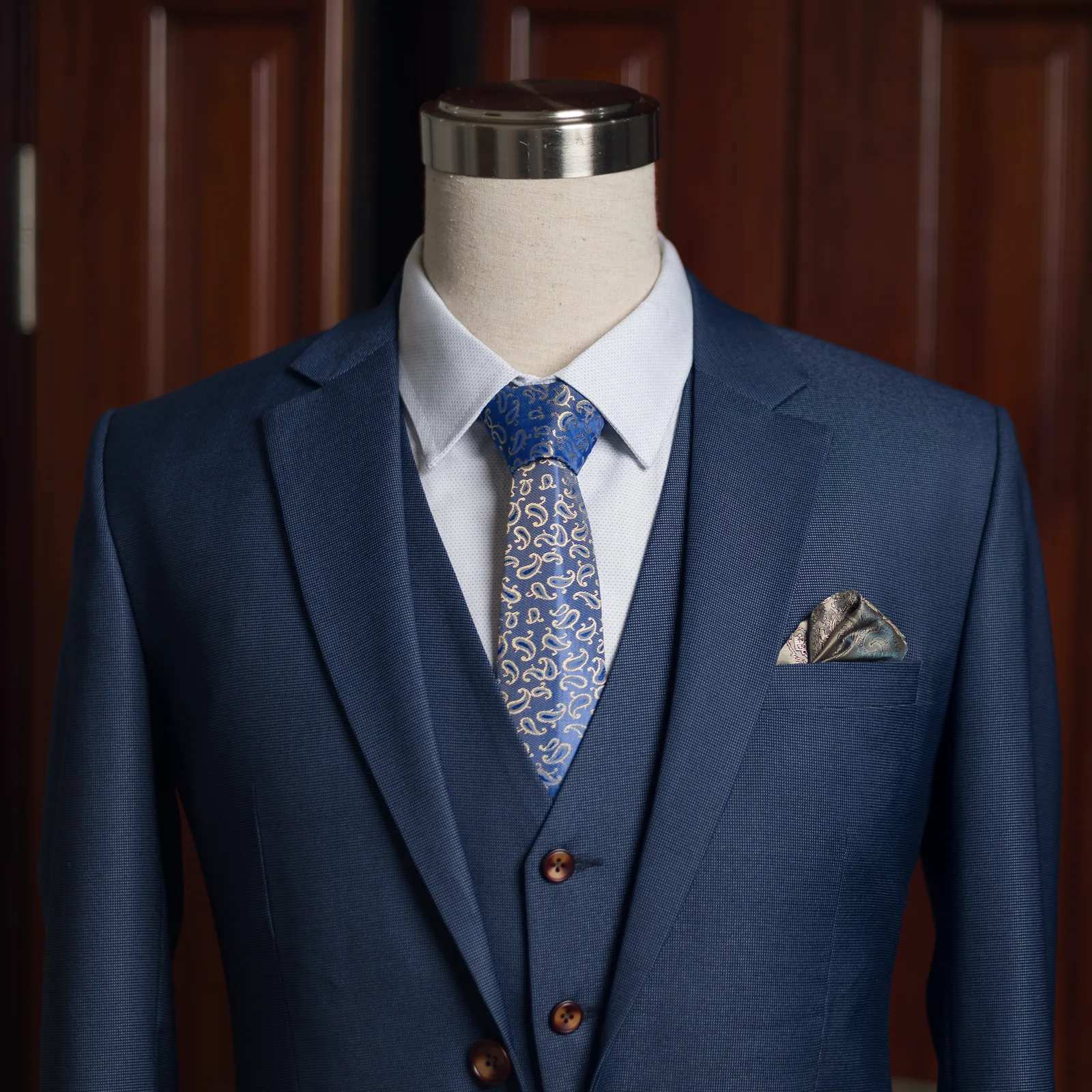
Vietnam is one of the most popular travel destinations for Australians — and Hội An, with its tailoring culture and proximity to Da Nang airport, is a consistent highlight. Getting clothes made here is genuinely good value, and when it's done properly, the quality rivals what you'd pay three or four times as much for back home. But there are specifics that Australian travellers need to know: how Australian sizing translates, which fabrics work for the Australian climate, and how to get garments home without drama at customs.
Be Li Tailor has an Australian co-owner. That means the studio understands Australian style expectations, Australian sizing, and Australian wardrobe needs — which makes a practical difference when you're commissioning rather than browsing.
Getting to Hội An From Australia
There are no direct flights from Australia to Hội An. The nearest international airport is Da Nang (DAD), approximately 30 kilometres from Hội An. The most common routes from Australia involve a connection through Singapore (Changi), Kuala Lumpur, Bangkok, or Ho Chi Minh City. Total travel time from Sydney or Melbourne runs to around 12–14 hours including transit; from Perth, slightly less. Most major Australian cities have multiple daily connections to Da Nang via one of these hubs.
From Da Nang airport to Hội An takes 30–45 minutes by taxi or ride-share (Grab is reliable and significantly cheaper than airport taxis approached at the kerb). Allow at least four to five days in Hội An if you plan to commission anything more complex than shirts — a suit with proper fittings needs three to four days at minimum.
How Australian Sizing Translates to Bespoke Tailoring
The good news: bespoke tailoring sidesteps most sizing translation problems entirely. When a garment is cut to your measurements rather than to a standard size, Australian sizing conventions (which differ slightly from US and UK sizing in both jackets and trousers) become largely irrelevant. The tailor measures you, not a size chart.
That said, Australian men tend to have proportions that don't always fit European or Asian sizing patterns: broader shoulders, longer torsos in some cases, and — for many Australians — a lifestyle silhouette that requires more practical allowances through the chest and shoulders. A good tailor accounts for this during the fitting process. At the first appointment, mention your specific proportions if you know them — "I have broader shoulders than most jackets accommodate" is useful information.
Australian women commissioning dresses, suits, or blouses should similarly be prepared to describe how off-the-rack clothes fit them — where things are typically too tight, too long, or require alteration. This is exactly the kind of information that gets built into a bespoke pattern from the start.
Fabrics That Work Well for the Australian Climate Back Home
Australia's climate varies significantly by city and season, so fabric selection depends on where you live and what you're commissioning for. Some general guidance:
For Sydney and Melbourne: A mid-weight wool at 280–320 g/m suits most of the year, covering autumn, winter, and cooler evenings year-round. For summer, a tropical wool at 200–220 g/m or a linen-cotton blend (55/45 or 60/40) is more practical. Avoid pure linen for anything you want to look sharp in; linen-cotton blends hold their shape better while retaining breathability.
For Brisbane and Queensland: Lightweight is the answer almost regardless of season. A Super 100s or Super 110s wool at around 200–230 g/m, or a linen or linen-cotton blend, works for most formal occasions. Pure tropical linen suits are an excellent choice for Queensland weddings and events — the fabric is appropriate to the climate in a way that a heavy wool simply isn't.
For Perth: Perth's dry heat makes lightweight wool and linen blends the sensible choice for most of the year. Heavier wool can work for winter evenings, but the mild winters mean you rarely need anything above 300 g/m.
See our full menswear page for the fabric range we stock, and our guide to pricing in Hội An for a realistic sense of costs by fabric type.
Shipping Tailored Clothes From Hội An to Australia
Most visitors carry their completed garments home in their luggage, which is by far the simplest approach. A two-piece suit packed correctly adds minimal weight and takes up less space than most people expect. Garment bags are useful for the journey home and easy to source in Hội An.
If you commission more than can comfortably fit in your luggage — or if you're ordering ahead of your visit and want items shipped directly — international courier services including DHL, FedEx, and EMS (Vietnam Post) all operate from Hội An and Da Nang. DHL is typically the most reliable for garments. Transit time to most Australian cities runs to five to eight business days by express courier. Be Li Tailor can arrange shipping for completed orders; speak to the studio about packaging and tracking options.
For a full breakdown of shipping options, timelines, and costs, see our complete guide to getting clothes tailored in Hội An.
Payment, GST, and What to Declare at the Border
Payment in Hội An tailoring shops is typically accepted in Vietnamese Dong (VND), US dollars, or Australian dollars — most established shops work with all three. Credit card acceptance varies; larger shops will usually have a terminal, but many prefer cash. ATMs are widely available in Hội An, including near the Ancient Town precinct.
Australian customs requires travellers to declare goods exceeding AUD 900 in total value. Tailored clothing counts towards this threshold. The AUD 900 is a per-person concession — couples travelling together can each claim their own concession. Goods above the threshold are subject to GST (10%) and potentially customs duty, though duty rates on most clothing items from Vietnam are relatively low under the ASEAN-Australia Free Trade Area arrangement. The practical advice: keep receipts, declare honestly, and don't try to understate the value. The savings on bespoke clothing in Hội An are substantial enough to be worthwhile even after any applicable taxes.
Can I ship tailored clothes from Hội An to Australia?
Yes. DHL, FedEx, and Vietnam Post all service Australia from Hội An and Da Nang. Express courier delivery typically takes five to eight business days to major Australian cities. Be Li Tailor can arrange shipping for completed orders, including garment packaging and tracking. It's generally more straightforward to carry garments in your luggage if they fit, since this avoids any potential customs paperwork on arrival.
Do Hội An suits hold up in Australian weather?
Yes, provided you choose the right fabric. A lightweight tropical wool at 200–220 g/m is ideal for Queensland and warm-climate events. A mid-weight wool at 280–320 g/m suits Melbourne and Sydney year-round. Linen and linen-cotton blends are excellent for outdoor and summer occasions across all Australian climates. The key is specifying your home climate and intended use when briefing the tailor — this determines the fabric recommendation.
How long does shipping take from Vietnam to Australia?
Express courier (DHL or FedEx) typically delivers to Sydney, Melbourne, Brisbane, and Perth within five to eight business days. Standard post via EMS runs to ten to fourteen business days. Allow additional buffer time around Vietnamese public holidays, when logistics services can experience delays. Be Li Tailor can advise on current turnaround times at the time of your commission.
Visit the Studio
Be Li Tailor is at 635 Hai Bà Trưng, Hội An Ancient Town, open daily from 8am to 9pm. Whether you're arriving next week or planning ahead, book your appointment online or reach us on WhatsApp at +84 905 820 116. We keep every client's measurements on file — if you've visited before, your next commission starts where the last one ended.