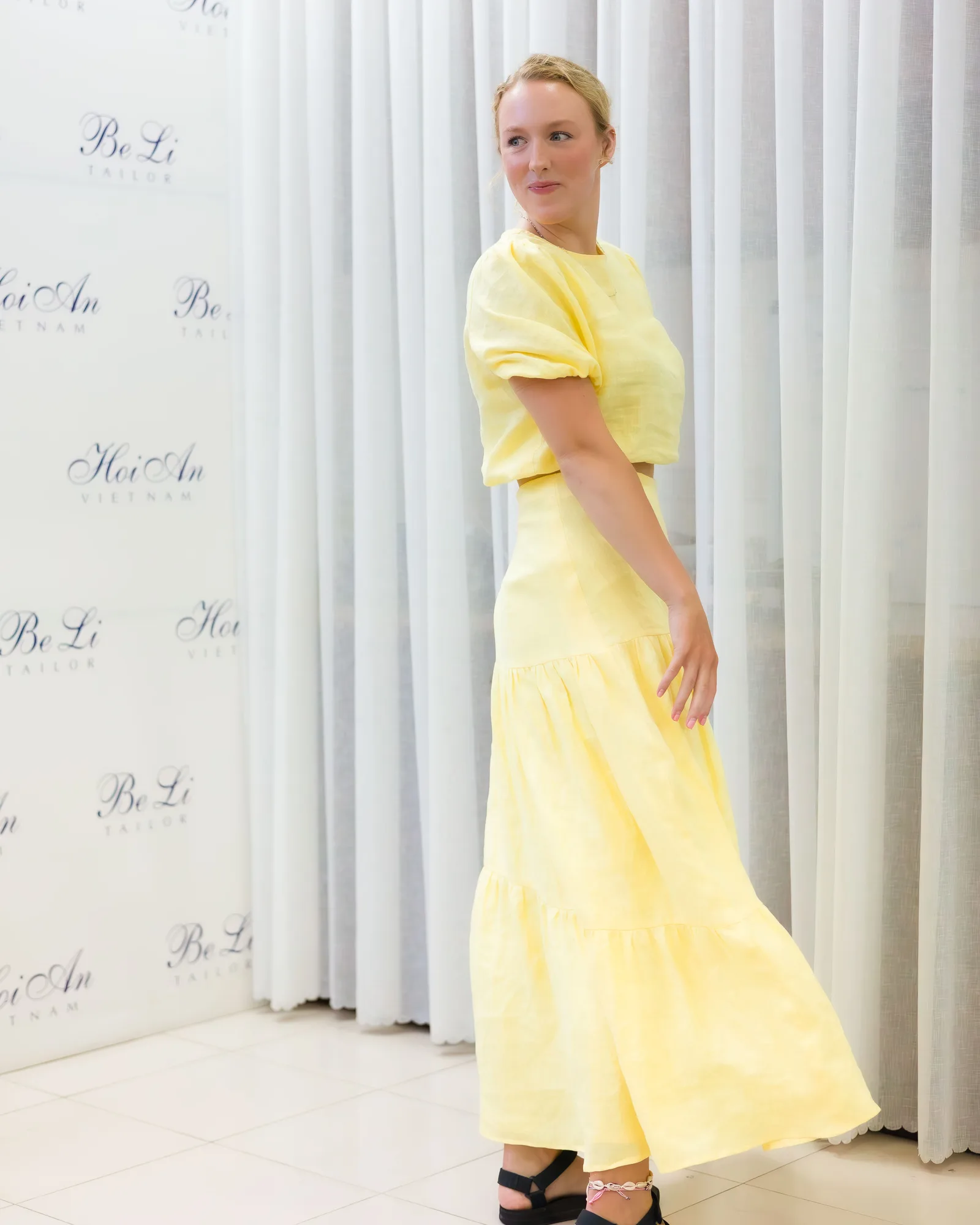
Understanding how to care for linen clothing properly is what separates a garment that wears beautifully for ten years from one that looks shabby within a season. Linen is one of the oldest textile fibres in the world, and it is genuinely low-maintenance — but it does have specific preferences around washing, drying, and storage that, once understood, make the whole process straightforward.
The most important thing to understand about linen is that it improves with wear and washing. The fibres soften gradually over time, the texture becomes finer, and the cloth acquires a quality sometimes called a patina — a lived-in softness that newly purchased linen simply doesn't have. Caring for it well accelerates that improvement rather than impeding it.
Why Linen Is Actually Low-Maintenance
Linen is derived from the flax plant and is naturally antibacterial and moisture-wicking. It absorbs up to 20% of its own weight in moisture before it begins to feel damp against the skin, and it releases that moisture quickly when exposed to air. This means linen garments don't hold odours the way synthetic fabrics do, and they don't require washing after every wear.
Linen is also naturally resistant to pilling — unlike cashmere or certain wools — and it doesn't attract static. Compared with silk, which requires careful hand washing and very limited heat, or wool, which felts if agitated wet, linen's care requirements are relatively forgiving. The main things to be careful about are shrinkage on first wash, high heat drying, and improper storage.
For a fuller comparison of how linen sits alongside other warm-weather fabrics, our guide on linen vs cotton vs linen-cotton blend explains the differences in behaviour and wear characteristics in detail.
Washing: Machine, Hand, or Dry Clean?
Most linen garments can be machine-washed, which is one of the fabric's genuine practical advantages. The key variables are temperature and agitation.
Machine washing
Use a gentle or delicate cycle at 30–40°C. Cold water (30°C) is safest and will cause the least shrinkage. Avoid heavy-duty or cotton cycles — the vigorous agitation can distort the shape of tailored linen garments and place excessive stress on seams. Turn the garment inside out before washing to protect the face of the cloth.
Use a mild detergent without bleaching agents. Optical brighteners, which are common in many mainstream detergents, can affect coloured linens over time, gradually altering or fading the dye. For white or natural linen, they're less of a concern.
Hand washing
For structured linen garments — a tailored linen suit jacket, a linen blazer with canvas, a lined linen dress — hand washing is preferable. Fill a basin with cool or lukewarm water, add a small amount of mild detergent, and submerge the garment. Gently squeeze and agitate by hand without wringing or twisting. Rinse thoroughly in cool water until no detergent remains, then press gently against the side of the basin to remove excess water without distorting the shape.
Dry cleaning
Dry cleaning is appropriate for heavily structured linen garments — a canvassed linen suit jacket, in particular — where washing might affect the internal structure. For most linen shirts, trousers, dresses, and unstructured jackets, machine or hand washing is preferable. As with wool, dry cleaning linen too frequently can dry out the fibres.
Drying Linen Without Ruining the Shape
How you dry linen is at least as important as how you wash it. The two things to avoid are the tumble dryer at high heat and leaving linen crumpled when wet.
Air drying is the correct method for almost all linen garments. Shake the garment firmly after washing to snap out the fibres and remove the worst creases, then hang it on a shaped hanger or lay it flat on a clean surface. Hanging on a hanger is fine for most garments but avoid it for very heavy or closely knitted linen, which may stretch at the shoulders under its own wet weight. Dry away from direct sunlight, which can fade colour and weaken the fibre over time.
If you do use a tumble dryer, use the lowest heat setting and remove the garment while it's still slightly damp. Completely machine-dried linen tends to be stiffer and more prone to harsh creasing than air-dried linen. Removing it slightly damp and hanging it immediately allows the fibres to relax naturally.
Ironing and Pressing: The Right Temperature and Technique
Linen presses beautifully and can take a relatively high iron temperature compared with most other natural fibres — generally the linen setting on your iron, which is typically around 200–230°C. The key is to iron the garment while it is still slightly damp, or to use a damp pressing cloth. Dry linen is significantly harder to press and requires more heat and pressure to achieve a good result.
Press on the wrong side of the fabric for most garments. This prevents any potential shine and gives you more freedom with pressure. For textured or slubbed linen weaves, ironing on the right side can flatten the texture permanently — always iron these from the reverse.
For a linen suit jacket, use the same technique as for any structured jacket: press with a damp cloth, lift rather than drag the iron, use a tailor's ham or rolled towel under curved areas such as the chest and shoulder, and do not attempt to flatten the lapel roll. Our guide to tropical tailoring fabrics covers the broader context of why linen is particularly well-suited to warm-climate dressing.
Storage: How to Keep Linen Fresh Between Seasons
Linen stores well with a few straightforward precautions. Clean linen before storage — any residual perspiration, oils, or light soil can set into the fibres over months of storage and become very difficult to remove later. If you're putting garments away for more than a few weeks, wash or have them cleaned first.
Store linen folded or hanging in a cool, dry, well-ventilated space. Linen does not have the same moth vulnerability as wool, but it can be affected by silverfish and mildew if stored in damp conditions. Cedar blocks or lavender sachets are useful deterrents and add no chemical risk to the fabric.
Avoid storing linen in airtight bags or boxes for extended periods. Linen benefits from air circulation — the same property that makes it comfortable to wear in warm weather applies equally in storage. A breathable cotton garment bag is ideal for tailored pieces. A folded drawer works well for shirts, trousers, and lighter garments.
Linen wrinkles naturally in storage and that's not a problem — those creases come out easily with pressing or even a brief hang in a steamy bathroom before wearing. For our full range of linen garments available in menswear and womenswear, visit the relevant sections of the site.
Frequently Asked Questions
Can you machine wash linen clothes?
Yes, most linen garments can be machine washed on a gentle or delicate cycle at 30–40°C. Turn the garment inside out, use a mild detergent without bleaching agents, and avoid heavy-duty cycles that agitate vigorously. The exception is heavily structured linen garments — canvassed jacket fronts in particular — which are better hand-washed or dry-cleaned.
Does linen shrink?
Linen can shrink, particularly on the first wash if exposed to high temperatures. Most pre-washed or pre-shrunk linen (which is standard in quality tailoring) shrinks very little — typically 2–4% at most. Washing at 30°C rather than 60°C and avoiding the tumble dryer at high heat minimises any shrinkage risk. If you're concerned about a particular garment, wash it cool and air-dry on the first wash to see how it responds.
How do you get wrinkles out of a linen suit?
The most effective method is a handheld garment steamer — hold it 5–8cm from the surface and work in gentle passes, allowing the cloth to relax. An iron with a damp pressing cloth on the linen setting also works well, particularly if the garment is slightly damp from a recent wash. For structured jacket fronts and lapels, use a tailor's ham or rolled towel underneath to avoid flattening the chest canvas. Hanging the garment in a steam-filled bathroom for 10–15 minutes is also surprisingly effective for light creasing.
Visit the Studio
Be Li Tailor is at 635 Hai Bà Trưng, Hội An Ancient Town, open daily from 8am to 9pm. Whether you're arriving next week or planning ahead, book your appointment online or reach us on WhatsApp at +84 905 820 116. We keep every client's measurements on file — if you've visited before, your next commission starts where the last one ended.