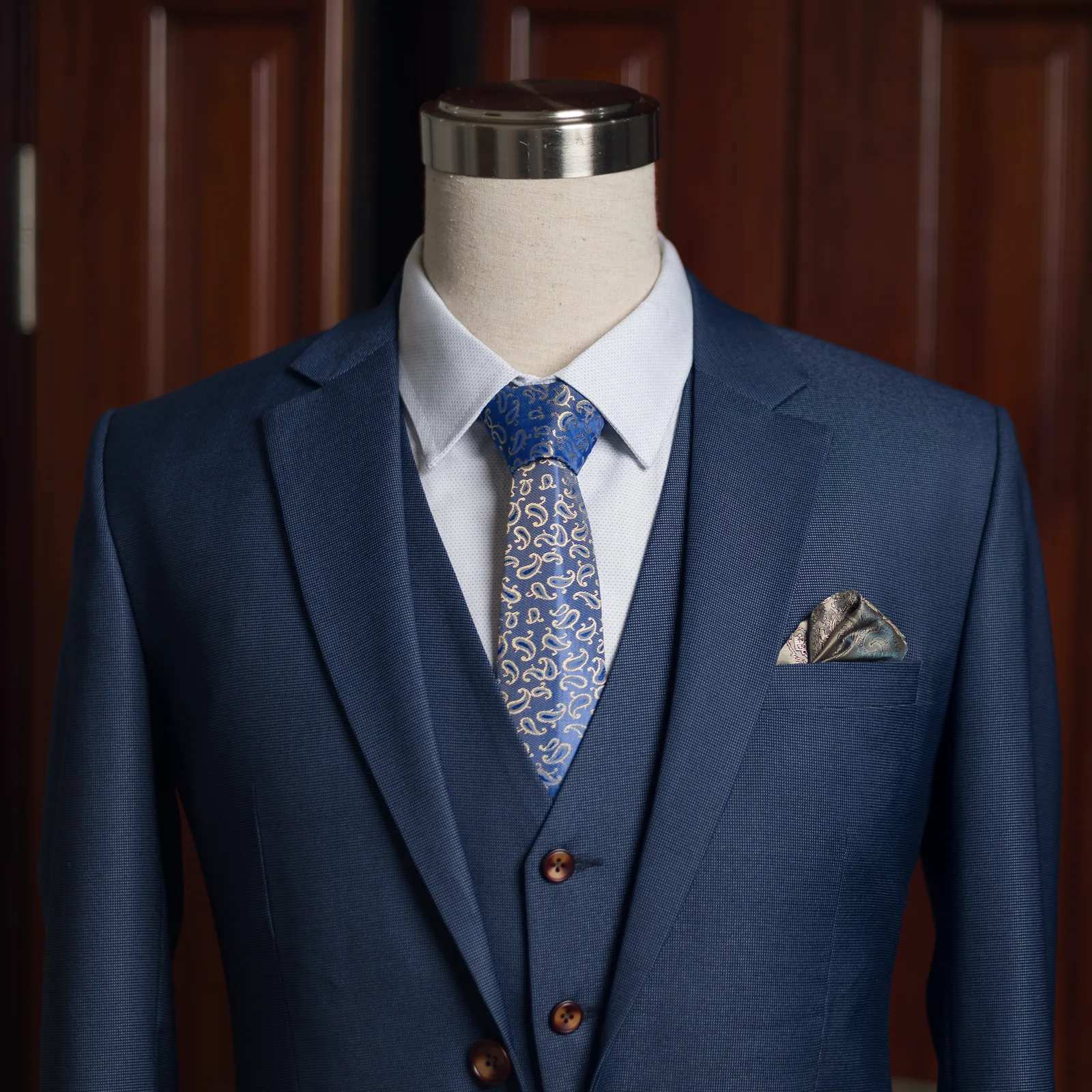
What to buy in Hội An Vietnam is not a difficult question once you understand what the town actually does well. The honest answer begins with tailored clothing and extends from there into a handful of other categories where genuine craft and genuine value converge. It also requires some navigating away from the volumes of merchandise that look locally made but is not, and from the traps that tourist markets set for the inattentive buyer in any country.
This guide is written from a position of long familiarity with the town's markets, producers, and souvenir trade. We will tell you what is worth buying and why, and what is better left on the shelf.
Bespoke Clothing: The Obvious and Correct Choice
The single best thing to buy in Hội An is clothing made specifically for your body by a skilled tailor. This is not a parochial view — it is a straightforward statement of value. Hội An has a tailoring tradition that stretches back five centuries, and the best studios in the town produce work that compares favourably with bespoke tailors in London, Sydney, or Milan at a fraction of the cost.
The case for tailored clothing as a purchase is straightforward: it is made for you, using materials you chose, to a design you specified. It will fit in a way that nothing you buy off a rack will match. And in Hội An, even a relatively modest budget produces garments that, at home, would cost considerably more.
The challenge is quality differentiation. Hội An has hundreds of tailoring establishments ranging from genuinely excellent to purely opportunistic. Our complete guide to getting clothes tailored in Hội An explains how to identify the difference. For fabric choices, the fabric guide for tropical tailoring is useful pre-visit reading.
Lanterns: The Classic Hội An Souvenir Done Right
The silk lanterns that hang throughout the Ancient Town are the town's most recognisable visual image and also a genuinely good souvenir — if you buy them from the right places. Hội An lanterns are made locally by families who have been producing them for generations, using wooden or bamboo frames and hand-sewn silk or fabric covers.
The distinction worth making is between lanterns made in Hội An with traditional techniques and lanterns manufactured in China that have found their way into the same shops. The former are more expensive, more durable, and more interesting. Ask where the lanterns were made and by whom. A lantern maker who can name the family that made it and explain the construction is selling something worth buying.
Small lanterns are easily packed flat and are a genuinely beautiful addition to any home. Larger lanterns can be shipped, though the packaging requires care.
Ceramics and Pottery
The village of Thanh Hà, approximately three kilometres west of the Ancient Town along the Thu Bon River, has been producing terracotta pottery using traditional techniques since the 15th century — the same period as Hội An's tailoring tradition. The village is accessible by bicycle or boat and is worth the trip not simply as a shopping opportunity but as a functioning traditional craft environment.
The ceramics produced in Thanh Hà are practical objects: bowls, pots, incense holders, figurines made from local clay on kick wheels that have not changed fundamentally in centuries. They are not high art, but they are honest craft at very low prices. The figurines — particularly the stylised animals and human forms — travel well and are distinctive enough to be recognisable as specifically Hội An.
Ceramics from Thanh Hà are also available in the market and in shops throughout the Ancient Town; buying directly from the village generally means better quality and lower prices.
Silk and Fabric
Silk is sold throughout Hội An's Ancient Town in lengths for making clothing and as finished scarves, table runners, and decorative items. The quality varies significantly, and the term "silk" in a Hội An shop does not automatically mean pure, high-quality silk — blends with synthetic fibres are common in the lower-price ranges.
Pure silk can be identified by the burn test: a small thread from a cut edge, when held to a flame, should burn slowly and smell like burning hair, leaving a crushable ash. Synthetic fibres melt, bead, and smell acrid. If a shopkeeper objects to this test, treat that as informative.
If you are commissioning clothing at a studio like ours, fabrics are sourced through our supply channels and quality is assured. If you are buying fabric independently to take home for a tailor elsewhere, focus on the reputable fabric shops on Trần Phú and Le Loi Streets rather than the market stalls.
Food and Spices Worth Bringing Home
Vietnam produces excellent coffee — robusta beans from the Central Highlands that are roasted dark and ground for filter or drip preparation. Hội An and Đà Nẵng both have small-batch roasters whose packaged beans travel well and make a useful, compact gift. The Trung Nguyen brand is widely available and reliable; smaller local roasters produce more interesting and often better coffee at similar prices.
Quảng Nam province produces a distinctive pepper — Central Vietnamese pepper from Tiên Phước district — that is less common internationally than Phú Quốc pepper from the south but has a more complex, slightly fruity character. Look for it at the market or at the better-supplied spice shops.
Dried lemongrass, dried chilli, and locally produced fish sauce (from nearby Cửa Đại) are all easily packed and genuinely worth bringing back if you cook Vietnamese food at home.
What's Not Worth Buying
The souvenir trade in any tourist town generates a category of goods that is specifically designed to appeal to visitors rather than to function or last. In Hội An this includes: mass-produced lacquerware with little artistic merit, low-quality printed textiles masquerading as hand-woven cloth, cheaply made copies of the town's famous lanterns, and generic "Vietnamese handicraft" items that bear no specific relation to Hội An's actual craft traditions.
Wood carvings marketed as antiques are, with vanishingly rare exceptions, not antiques. The Vietnamese customs authorities are appropriately strict about the export of genuinely old objects, and nothing that can be bought easily in a tourist shop is likely to be what it presents itself as.
The test for any purchase is straightforward: can you identify who made it, from what materials, and using what techniques? If the answer is yes, the object is worth considering. If the answer is "I'm not sure," it is worth pausing.
Frequently Asked Questions
What is Hoi An famous for buying?
Hội An is most famous for bespoke tailoring — custom clothing made to measure at prices that are a fraction of equivalent quality in Western countries. Beyond clothing, the town is known for its traditional silk lanterns, locally produced ceramics from the village of Thanh Hà, and a range of food products including Central Vietnamese coffee and spices. The tailoring is the most significant and lasting purchase available here.
Is it worth buying silk in Hoi An?
Yes, if you buy carefully. Pure silk of good quality is available in Hội An at prices lower than you will find in most Western markets. The risk is that the term "silk" is used loosely, and blended or synthetic fabrics are common in the lower-price ranges. Use the burn test to verify pure silk before purchasing significant quantities: a thread from pure silk burns slowly and smells like hair; synthetic fibres melt and smell of plastic.
Can I buy Vietnamese fabric to take home?
Yes, and it is a perfectly reasonable approach if you have a trusted tailor at home and want to bring them Vietnamese silk, linen, or cotton. Buy from the reputable fabric shops on the main streets of the Ancient Town rather than market stalls, and ask specifically about fibre content and weight. Vietnamese fabrics are generally sold by the metre and pack well in luggage. Our own fabric guide covers the characteristics of different cloth types that are most useful to understand before buying.
Visit the Studio
Be Li Tailor is at 635 Hai Bà Trưng, Hội An Ancient Town, open daily from 8am to 9pm. Whether you're arriving next week or planning ahead, book your appointment online or reach us on WhatsApp at +84 905 820 116. We keep every client's measurements on file — if you've visited before, your next commission starts where the last one ended.