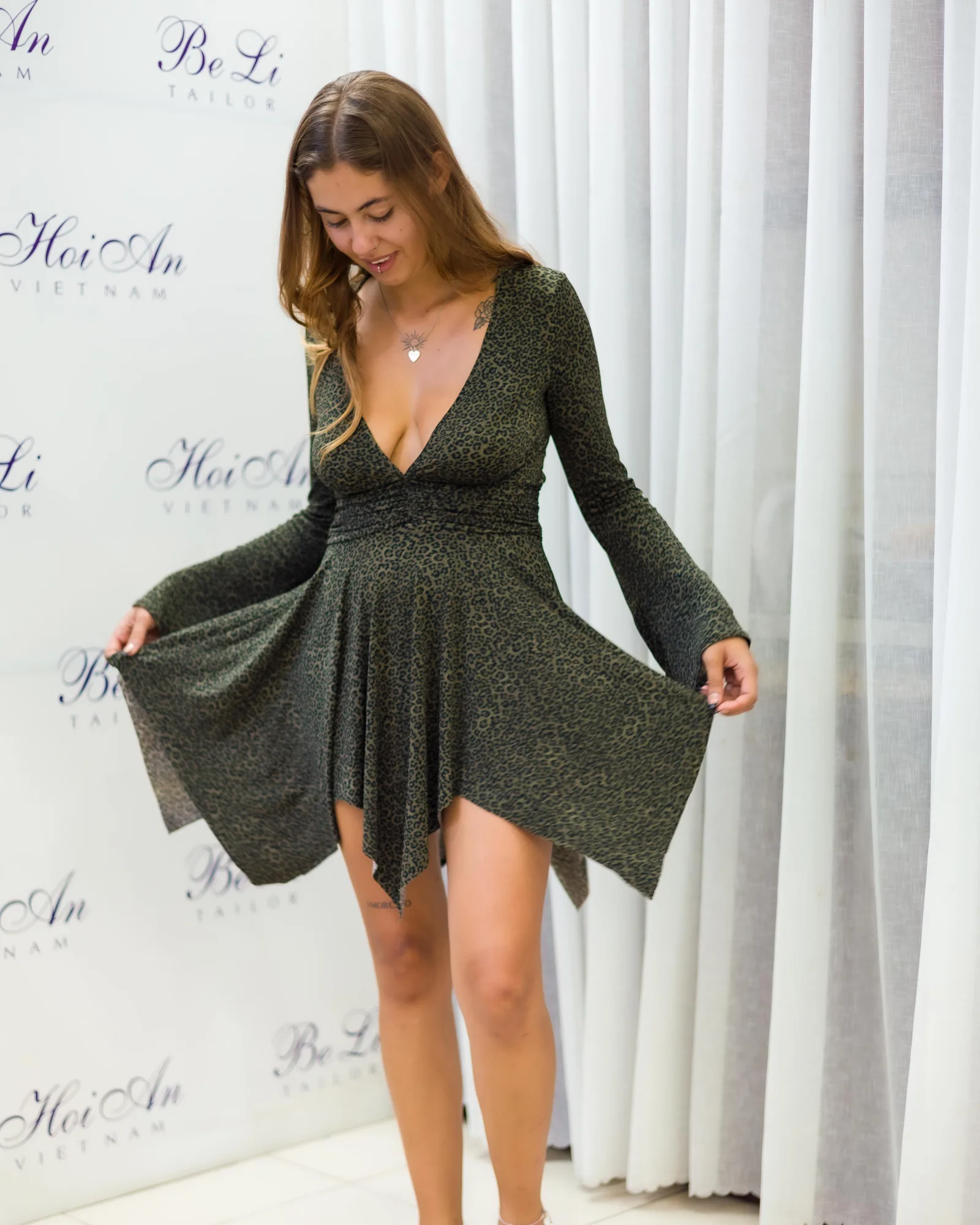
Evening wear and resort wear in Hội An represent two completely different briefs — and knowing which you actually need before you sit down in the studio saves time and produces a better result. Many clients arrive thinking they want an evening gown and leave with a resort dress they'll wear constantly, or vice versa. This guide helps you decide which category is right for your life after the trip, and what each type of commission actually involves at Be Li Tailor.
The short answer: both are worth commissioning here. The longer answer involves thinking honestly about where your wardrobe has gaps, what occasions are actually coming up, and how the tropical climate shapes what's appropriate for each category.
Defining the Difference: Evening Wear vs. Resort Wear
The categories are defined more by construction and occasion than by a simple formality scale. Resort wear is clothing designed for warm-weather holidays — easy to put on, easy to move in, appropriate for coastal dinners, beach towns, and the kind of relaxed elegance that doesn't require serious infrastructure. Evening wear is designed for specific formal occasions where presentation is the point — galas, weddings, black-tie dinners, and events where arriving in a shift dress would be underdressed.
Between those poles sits a range of smart casual and cocktail dressing that borrows from both. Our complete guide to custom dresses in Hội An covers all categories in depth.
Construction-wise, resort wear is typically simpler: fewer interior seams, light or no lining, easy closures. Evening wear involves more construction: boning or internal support if needed, full lining, careful seam finishing, often more complex closures. This is reflected in both price and production time.
What Occasions Are You Actually Dressing For?
The most useful question before your consultation is not "what do I want?" but "what will I actually wear this for?" A floor-length silk gown is a beautiful commission, but if you don't have formal occasions in your diary when you get home, it will hang in the wardrobe. A linen resort dress, on the other hand, will be worn continuously — on the remainder of your trip, on future warm-weather holidays, and at any summer occasion where you want to look deliberately dressed.
Consider:
- Do you have a specific formal event coming up — a wedding, a gala, a significant dinner? If yes, commission for that event.
- Are you continuing to a beach destination after Hội An? Resort wear will earn immediate use.
- Is your wardrobe stronger at the formal end or the casual end? Fill the gap.
- How many days do you have? Evening wear requires more fittings and more time than resort wear.
Many clients with five or more days in Hội An commission both — one or two resort pieces they'll wear immediately, and one formal or smart casual piece for a specific forthcoming occasion. This is often the most efficient use of the time available.
Fabric Choices for Each Category
Fabric is where the distinction between resort and evening wear is most clearly drawn.
Resort wear fabrics
Linen is the resort fabric. It breathes, it softens with washing, it's easy to care for, and it has a relaxed elegance that works from beach to casual dinner. Medium-weight linen in a solid colour or subtle pattern is the default choice for anything in this category. Cotton voile and cotton lawn are lighter alternatives for sheer overlay styles. Cotton-linen blends offer an intermediate option — slightly more structure than pure linen with similar breathability.
Our guide comparing linen, cotton, and blends covers the practical differences in more detail, including how each fabric washes, wears, and ages over time.
Evening wear fabrics
For formal evening wear in a hot climate, silk crepe is the benchmark. It has enough structure to hold a clean silhouette while being light enough to wear in warm conditions. Silk charmeuse has more drape and a subtle sheen. Silk chiffon works for overlay panels or full-skirt styles but requires more construction to manage in coastal breezes.
Velvet is sometimes requested for evening wear, and it works — but be realistic about the heat. Silk velvet is cooler than cotton velvet, but neither is comfortable outdoors in Hội An in summer. If you're commissioning velvet evening wear for a cooler-season event at home, it's an excellent choice. Our tropical fabric guide explains which fabrics are genuinely appropriate for warm-weather wear and which are better reserved for cooler climates.
Silhouette Guidance for a Hot Climate
For resort wear, the silhouette brief is simple: air needs to move. Relaxed A-lines, wide-leg trousers, slip dresses with ease through the body, and wrap styles all work. Anything with significant structure through the torso — boning, rigid interfacing, fitted lining — traps heat. The most wearable resort pieces are those with ease in the silhouette and minimal interior construction.
For evening wear worn in a hot climate, the challenge is different. You need a silhouette that reads as formal — which usually implies some structure — while not being oppressive to wear. The solutions that work consistently include:
- Sleeveless or thin-strap styles with a more structured bodice (the absence of sleeves compensates for bodice structure in terms of temperature)
- A-line or fit-and-flare skirts that give air circulation below the waist while maintaining a clean bodice line above
- Column cuts in silk crepe, which are close to the body but allow movement and don't require heavy lining
- Back interest — a low back, a cut-out, or interesting back detail — rather than frontal construction, which keeps the most visible surface clean while adding visual interest
Getting Both Made in One Visit
If your timeline allows it, commissioning both resort and evening wear in one visit is efficient. The consultation measurements are taken once. Our team can work on multiple garments simultaneously, which means the production timelines overlap rather than stack. A client with seven or eight days in Hội An could reasonably commission two or three resort pieces, a smart casual dress, and one formal piece — all to be completed before departure.
The key is arriving in the studio with a clear list of occasions you're dressing for and letting us help you prioritise. We'll tell you honestly if something is too ambitious for the time available. Browse our full womenswear range for inspiration, then book your consultation online before you arrive.
Frequently Asked Questions
What's the difference between resort wear and evening wear?
Resort wear is relaxed warm-weather clothing — easy to wear, light construction, suitable for casual dinners and sightseeing. Evening wear is formal clothing for specific occasions — galas, weddings, black-tie events — with more complex construction, lining, and fabric quality. Both can be commissioned in Hội An, at different price points and with different timelines.
Can I get both a day dress and an evening dress made in Hội An?
Yes. With enough time in Hội An — typically seven or more days — you can commission multiple garments in the same visit. The consultation measurements are taken once, and our team can work on pieces simultaneously. Tell us how many days you have and what you want to commission; we'll give you a realistic production schedule at your first appointment.
What fabrics work best for tropical evening wear?
Silk crepe is the benchmark — enough structure to hold a formal silhouette, light enough to wear in warm conditions. Silk charmeuse is cooler with more drape. Avoid heavy fabrics with significant lining unless you're commissioning for a cooler-season event. Synthetic fabrics and polyester blends are not recommended for evening wear in any climate — the difference in quality and comfort is substantial.
Visit the Studio
Be Li Tailor is at 635 Hai Bà Trưng, Hội An Ancient Town, open daily from 8am to 9pm. Whether you're arriving next week or planning ahead, book your appointment online or reach us on WhatsApp at +84 905 820 116. We keep every client's measurements on file — if you've visited before, your next commission starts where the last one ended.